 Login
 Zakat Calculator
 KD

News
Leaders in the Charitable Sector: Youth Are the Cornerstone of Development and the Architects of the Future of Humanitarian Work
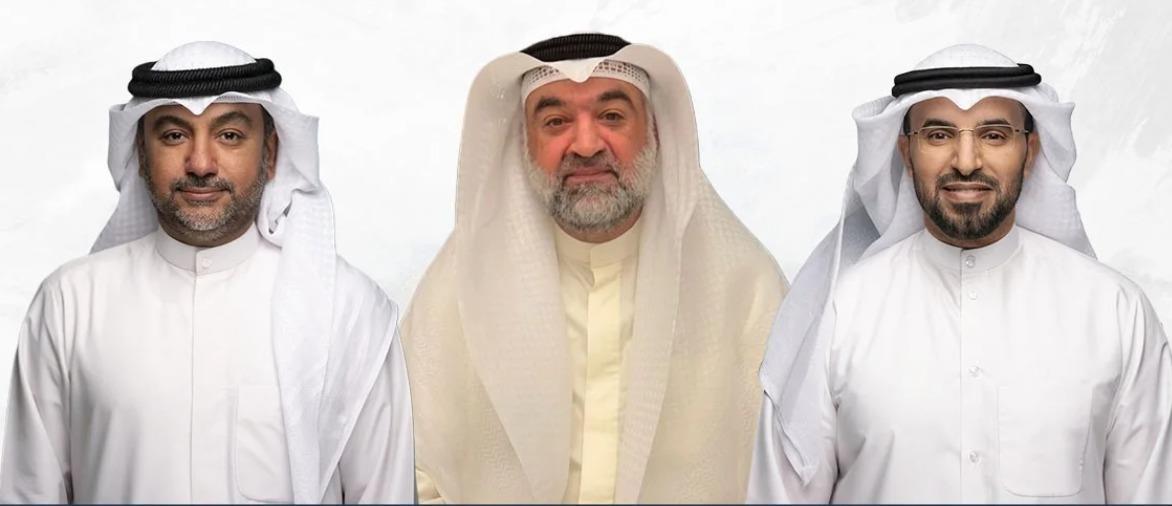
Several leaders in the Kuwaiti charitable sector have emphasized that "International Youth Day" serves as an important occasion to highlight the role of young people in building societies, fostering sustainable development, and embedding the values of volunteerism and philanthropy. They noted that Kuwaiti youth have demonstrated a strong presence across various fields of humanitarian work, helping to convey Kuwait’s message of charity to many countries worldwide through volunteer initiatives, as well as development and relief programs.
They explained that true investment begins with investing in people; empowering and qualifying youth—and providing them with opportunities to contribute to humanitarian impact—is a cornerstone of institutional work. They stressed that charitable work is no longer limited to providing aid; rather, it has become a training ground for developing leaders, creating initiatives, and building a generation capable of facing challenges and serving their nation and the broader community.
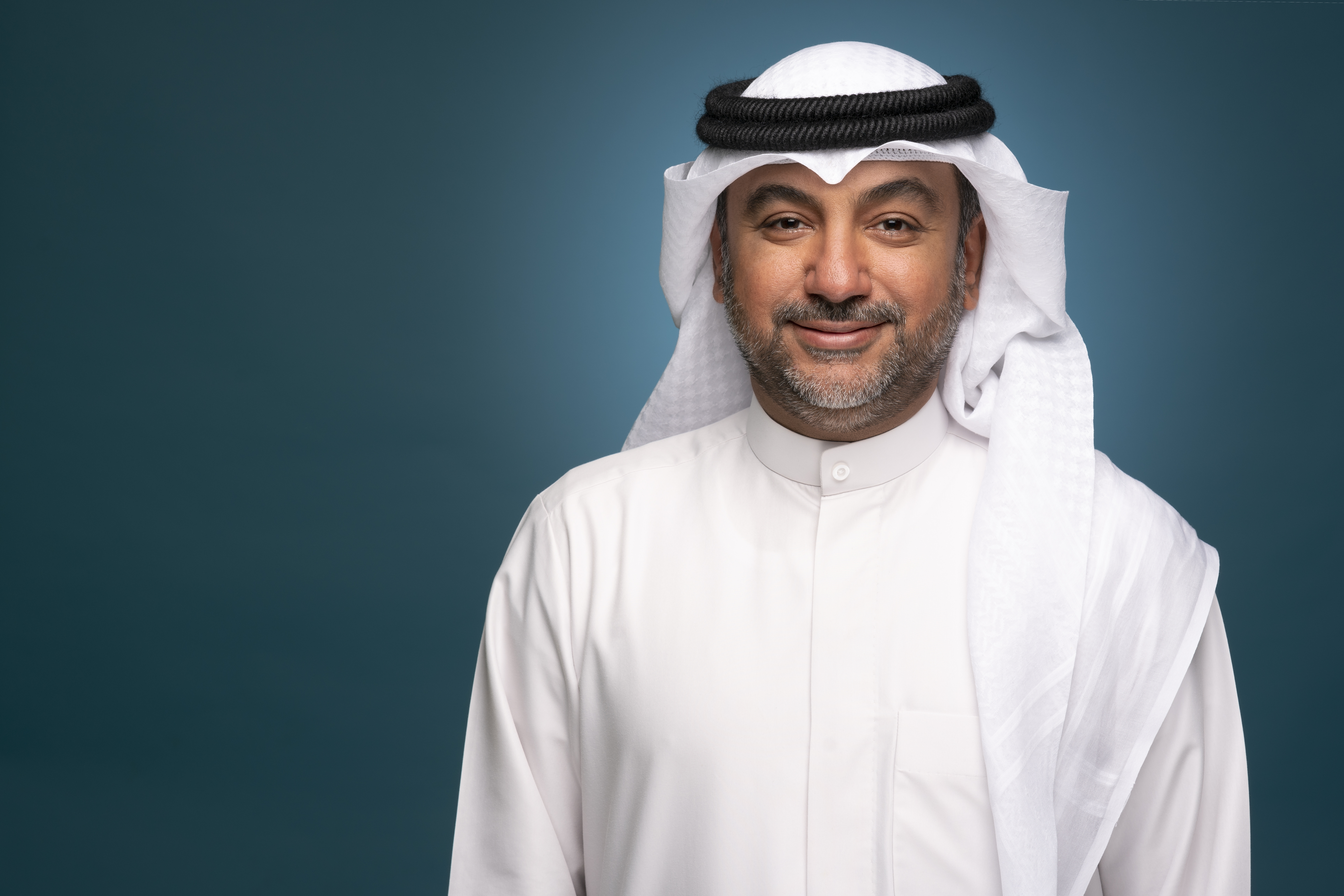
Saad Marzouq Al-Otaibi, Chairman of the Union of Charitable Societies and Foundations, stated that youth represent a nation’s true wealth. He noted that the leading position Kuwait has achieved in humanitarian work is the result of the cumulative efforts of successive generations who believed in the value of giving and social responsibility. He affirmed that today’s youth carry this mission forward with a renewed spirit and more advanced tools.
He added that charitable organizations are committed to fostering an environment that enables youth to be creative and innovative, involving them in various programs and initiatives. He emphasized that young people are partners in decision-making—not merely executors of activities—and noted that the Union works to support youth-led initiatives and strengthen cooperation among charitable entities to achieve synergy and maximize impact. Al-Otaibi emphasized that investing in youth is an investment in the future of humanitarian work. He encouraged young people to continue their volunteer efforts, channel their energy into serving society, and uphold Kuwait’s bright image as a global hub for humanitarian action—a beacon of goodwill reaching across the world.
For his part, Hamad Al-Ali, Secretary-General of the Social Reform Society, affirmed that young people have always been a fundamental pillar of the Society since its inception. They have contributed to numerous outreach, social, and humanitarian initiatives, playing a prominent role in serving the community and fostering values of solidarity and volunteerism.
He noted that the Social Reform Society places great importance on developing well-rounded, balanced personalities among the youth through educational, volunteer, and leadership programs. These initiatives help prepare a generation capable of taking on responsibility and actively contributing to their nation and society, grounded in Islamic values and national identity.
Al-Ali added that International Youth Day serves as an opportunity to reaffirm confidence in young people, listen to their ideas, and create space for them to participate in shaping community initiatives. He highlighted that, time and again, Kuwaiti youth have demonstrated their capacity to shoulder responsibility and transform challenges into opportunities for achievement and contribution.
Meanwhile, Abdulaziz Al-Kandari, Deputy Executive Director of Namaa Charity, stated that young people are the beating heart of humanitarian work. They possess the energy, resilience, and capacity for innovation—qualities that have become essential components for the success of humanitarian and developmental initiatives today. He added that Namaa Charity believes that creating a meaningful impact begins with developing the individual. Consequently, the organization is committed to empowering young people by involving them in field projects, volunteer programs, and humanitarian missions. This provides them with practical experience while fostering values of responsibility, a sense of belonging, and a spirit of giving. He noted that young people have been a key factor in the success of many of the specialized initiatives carried out by Namaa.
Al-Kandari emphasized that investing in youth does not merely benefit organizations; its impact extends to society as a whole, as young people are the leaders of the future, the creators of new initiatives, and the bearers of the message of benevolence. He encouraged young people to continue their volunteer work, apply their skills to serve humanity, and contribute to strengthening Kuwait’s position as a beacon for humanitarian action and sustainable development.
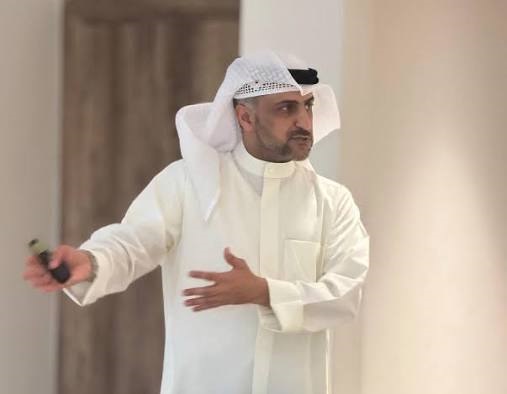
Namaa Charity organizes a training course for its staff on regulatory compliance and strengthening institutional adherence.
More info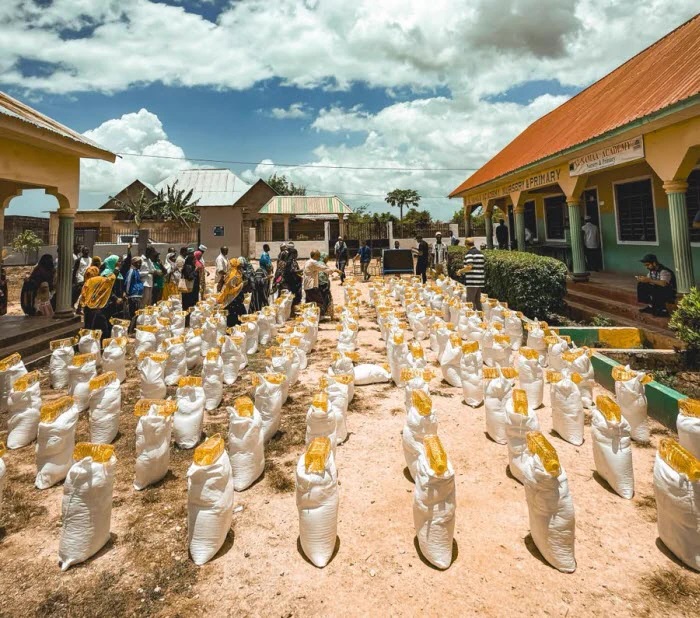
"Namaa Charity" and "Kaf Humanitarian" distribute 100 food baskets and 500 hot meals in Zanzibar
More info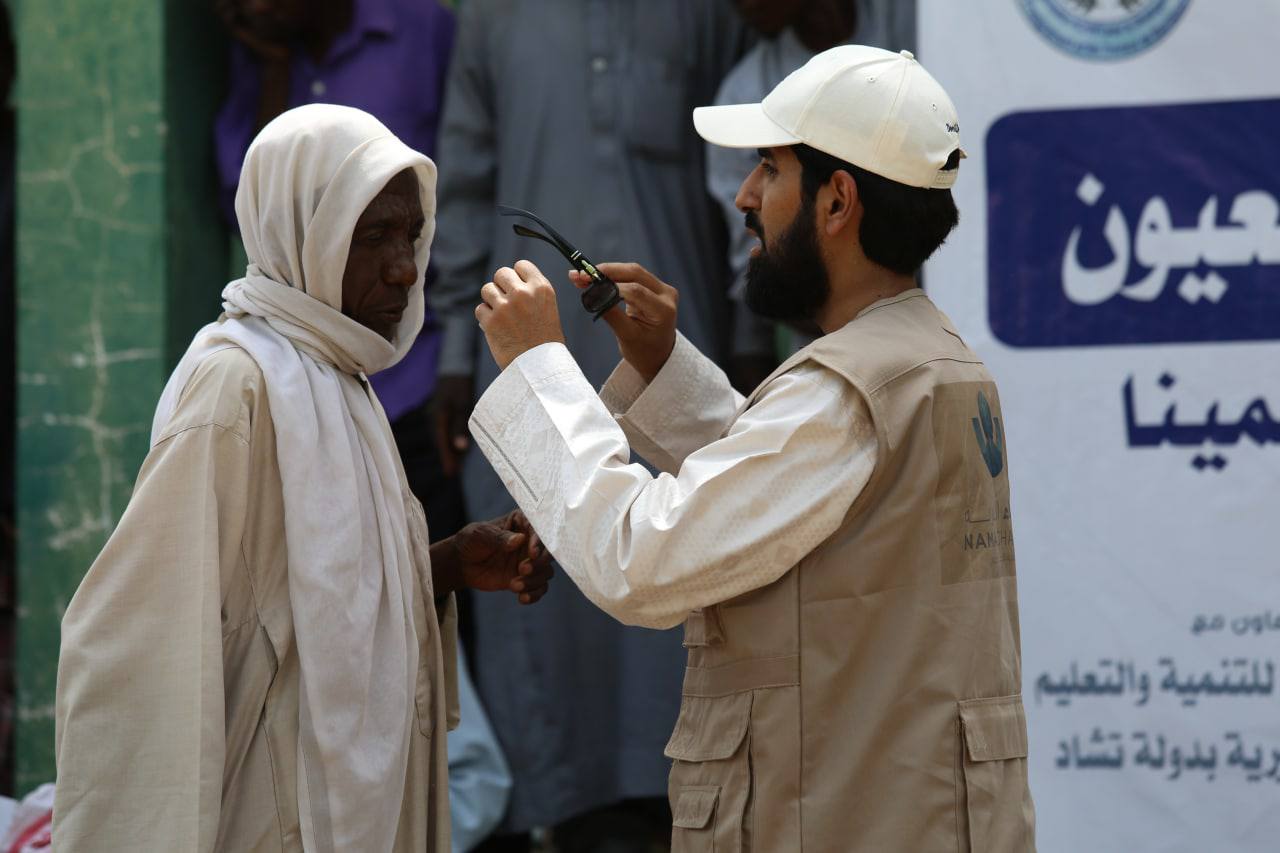
Namaa Charity: Our projects in India combine medical care, empowerment, and the provision of the means for a dignified life.
More info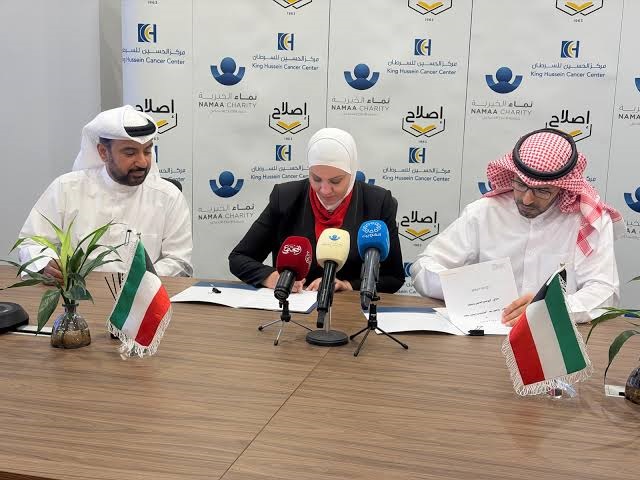
"Al-Islah" and the King Hussein Cancer Foundation Sign Agreement to Support Cancer Treatment for Palestinian and Syrian Refugee Children
More info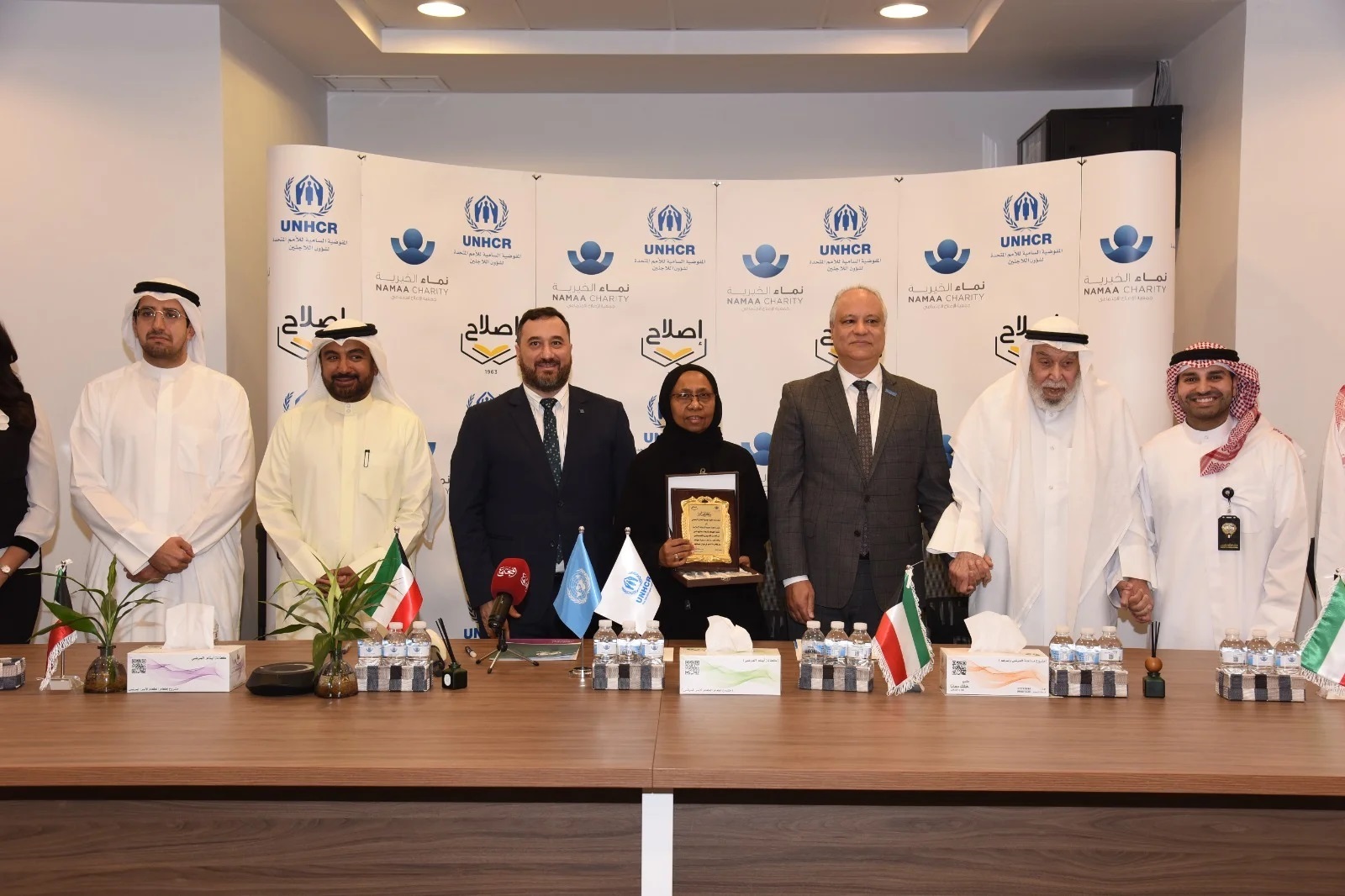
"Al-Islah" and "Islamic Care" sign two agreements with the "UNHCR" to support refugees in Bangladesh and Sudan
More info
Leaders in the Charitable Sector: Youth Are the Cornerstone of Development and the Architects of the Future of Humanitarian Work
More info