 Login
 Zakat Calculator
 KD

News
"Al-Islah" and "Islamic Care" sign two agreements with the "UNHCR" to support refugees in Bangladesh and Sudan
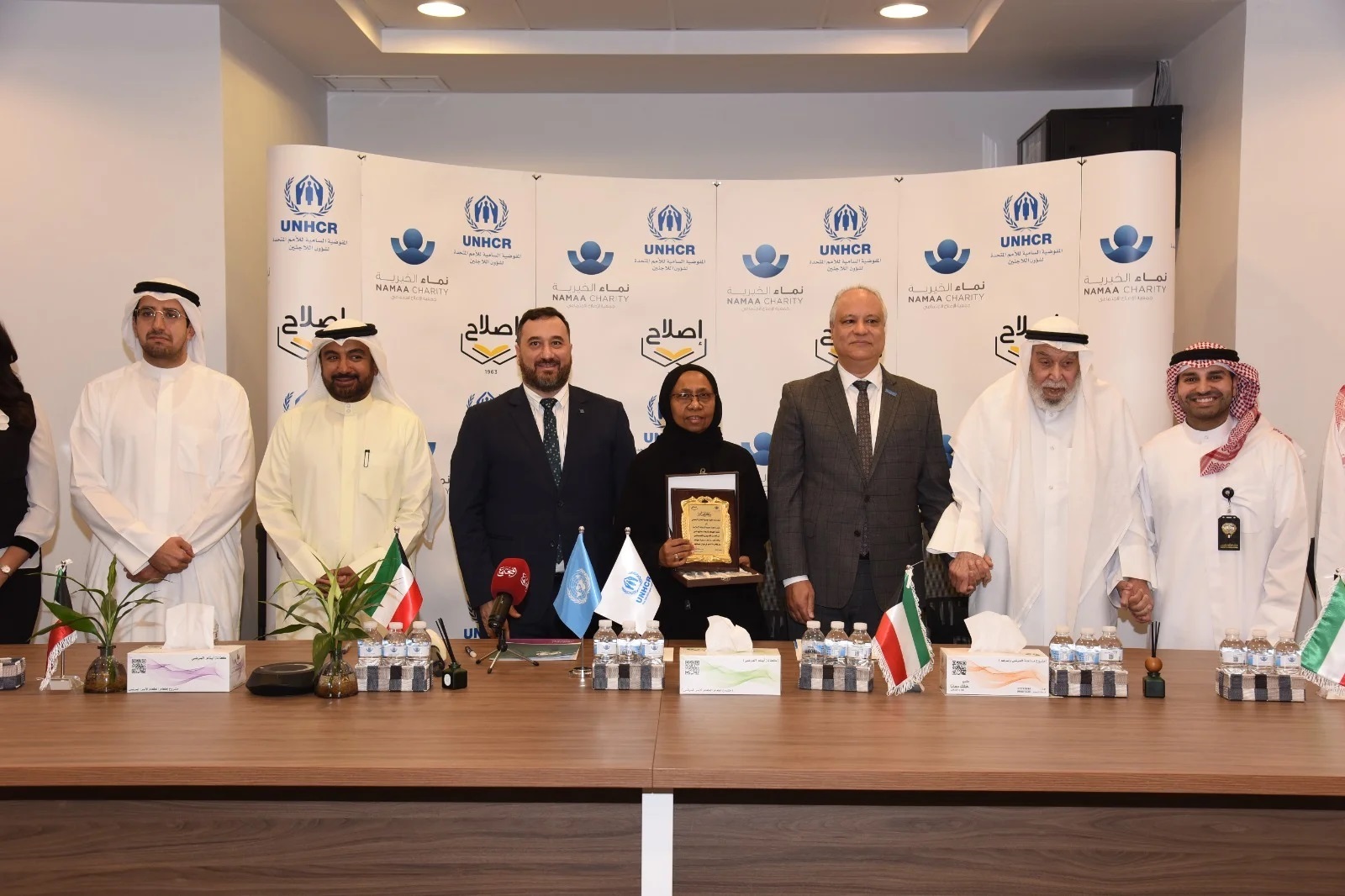
On Tuesday, September 22, 2026, Namaa Charity (under the Social Reform Society) and the Islamic Care Society signed two humanitarian partnership agreements with the United Nations High Commissioner for Refugees (UNHCR). These agreements aim to support refugees and displaced persons in Bangladesh and Sudan through health and humanitarian interventions, including medical care, vaccinations, shelter improvements, and cash assistance for the most vulnerable families.
Supporting Refugees and Displaced Persons in Bangladesh and Sudan
The first agreement focuses on supporting health-related activities for Rohingya refugees in Bangladesh by providing medicines and medical supplies, as well as strengthening vaccination, awareness, and community health programs. This will enable the UNHCR to enhance its health interventions in Bangladesh, including supporting vaccination campaigns for approximately 131,000 Rohingya refugee children under the age of five. The second agreement, signed with the Islamic Care Society, will support the UNHCR’s efforts by improving shelter conditions for 327 refugee families in Bangladesh and providing cash assistance to 36 displaced families in Sudan—helping these families meet their basic needs with dignity and safety.
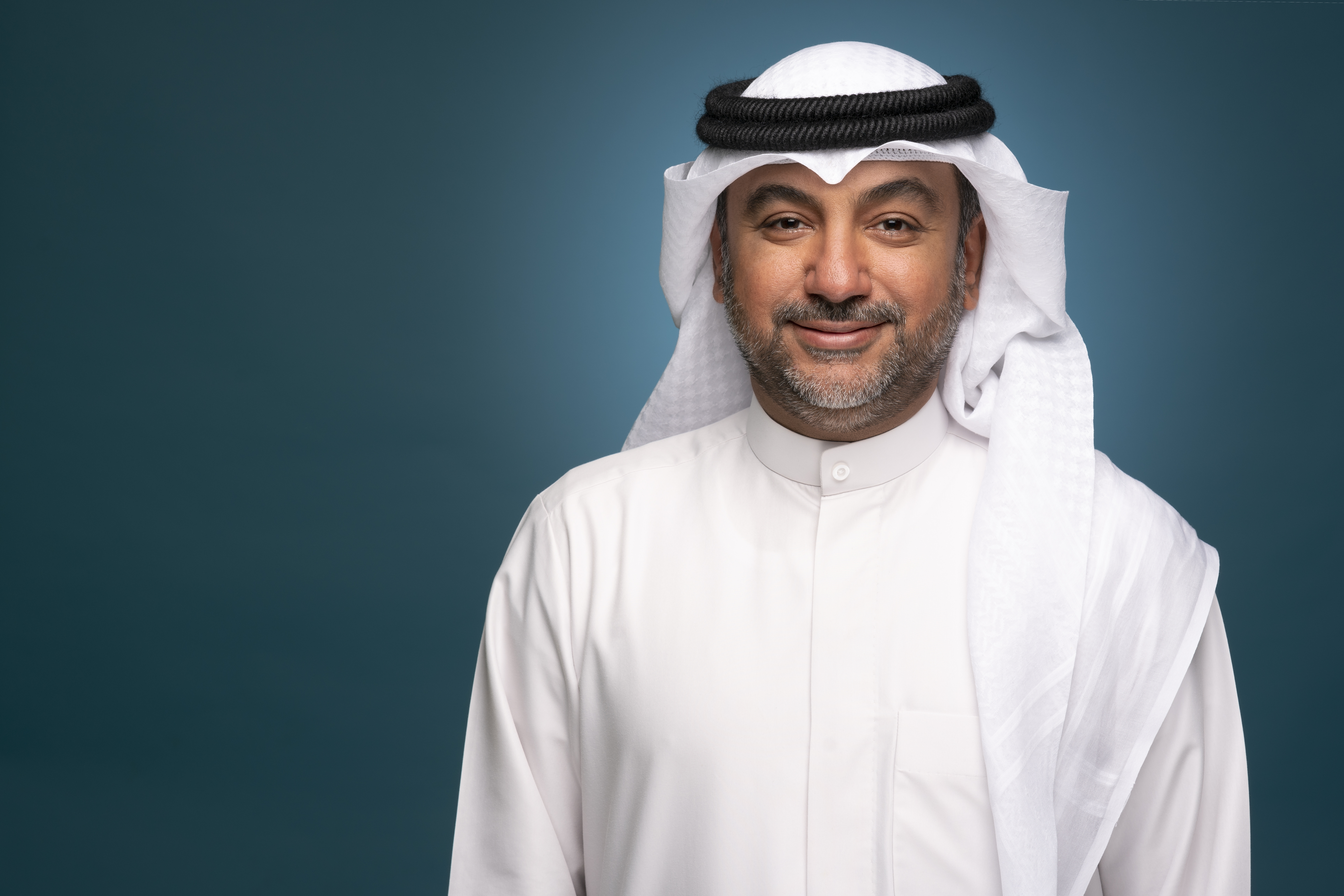
The agreements were signed in the presence of Dr. Khalid Mathkour Al-Mathkour, Chairman of the Social Reform Society; Saad Marzouq Al-Otaibi, President of the Kuwaiti Union of Charities and Foundations; Abdulaziz Al-Kandari, Deputy Executive Director of Namaa Charity; Fida Al-Waqayan, Chairwoman of the Islamic Care Society; and the Advisor to the High Commissioner and UNHCR Representative to the Gulf Cooperation Council (GCC) states. Khaled Khalifa.
Al-Islah Society: A Partnership Extending Kuwait’s Humanitarian Role
Dr. Khaled Mathkour Al-Mathkour, Chairman of the Al-Islah Social Society, affirmed that the partnership with the United Nations High Commissioner for Refugees (UNHCR) serves as an extension of the humanitarian role played by Kuwaiti charitable organizations in supporting the most vulnerable groups. This stems from a firm belief that protecting human beings and upholding their dignity is a responsibility that transcends geographical boundaries.
Al-Mathkour stated that the agreement—focused on supporting health-related activities for Rohingya refugees in Bangladesh—aims to provide medical supplies and medication, while strengthening community health, awareness, vaccination, and disease prevention programs. These efforts contribute to protecting refugee children and families, and improving their access to essential healthcare services.
He added that a key feature of this partnership is the integration of efforts between the UNHCR and its local partners to reach beneficiaries within the camps. He emphasized that effective humanitarian work is rooted in careful planning and a response to genuine needs, noting that investing in children’s health is an investment in the future of both the family and society.
UNHCR: A Partnership to Address Humanitarian Needs
For his part, Dr. Khaled Khalifa, Senior Advisor to the High Commissioner and UNHCR Representative to the Gulf Cooperation Council (GCC) countries, stated that the signing of the two agreements—with Namaa Charity (under the Al-Islah Social Society) and the Islamic Care Society—reflects a shared responsibility toward communities forced into displacement and refuge. He highlighted the importance of the partnership between the UNHCR and Kuwaiti charitable institutions in addressing growing humanitarian needs. Khalifa stated that the two agreements encompass support for health services, vaccination, community awareness, and the provision of medicines and medical supplies. They also include improving shelter conditions and delivering cash assistance, thereby addressing the diverse needs of refugee and displaced families in accordance with their specific priorities and humanitarian circumstances.
He added that the shared objective extends beyond providing urgent aid; it also aims to help affected families regain a degree of stability and rebuild their lives with dignity and hope. He further commended the role played by Kuwaiti charitable institutions in supporting international humanitarian efforts.
Union of Charitable Societies: Unifying Efforts Enhances the Impact of Aid
Saad Marzouq Al-Otaibi, President of the Kuwaiti Union of Charitable Societies and Foundations, emphasized that the signing of these two agreements reflects the depth of the humanitarian partnership between Kuwaiti charitable institutions and international organizations. It underscores the importance of unifying efforts and integrating roles to reach the most vulnerable populations in areas affected by displacement and refugee crises.
He noted that collaboration with the UNHCR enables the implementation of health and humanitarian interventions based on actual needs. These initiatives support affected families, uphold their dignity, and strengthen their capacity to cope with difficult humanitarian conditions. He affirmed that the Kuwaiti charitable sector is committed to ensuring that contributions from generous donors are channeled into programs and projects that effectively reach those who need them most. He added that charitable work is undergoing continuous evolution; it is no longer limited to immediate crisis response but has increasingly shifted toward building strategic partnerships, developing programs, enhancing the efficiency of interventions, and directing resources toward key humanitarian priorities. He noted that supporting children’s health—through vaccination and disease prevention—is a fundamental component of protecting human life and upholding human dignity.
Namaa Charity: Supporting the Health of Rohingya Children
Khaled Mubarak Al-Shammari, Head of the Programs and Initiatives Sector at Namaa Charity, explained that the support provided for health-related activities in Bangladesh focuses on the essential needs of Rohingya refugees. This includes supplying medical provisions and medicines, as well as strengthening community health initiatives and awareness campaigns, which help prevent diseases and improve access to healthcare services.
He stated that vaccination programs are a critical pillar of these health interventions. Routine immunization services are delivered through primary healthcare centers—supported by the UNHCR—across several refugee camps in Cox’s Bazar. This is complemented by community outreach and mobilization efforts, with health workers visiting families to inform parents about vaccination schedules and encourage them to utilize the available services.
He further noted that the intervention framework includes ensuring that children in need can access these services and promoting health awareness. He emphasized Namaa Charity’s commitment to implementing structured and effective programs that ensure aid reaches the intended beneficiaries, ultimately translating support into tangible health outcomes for refugee children and their families.
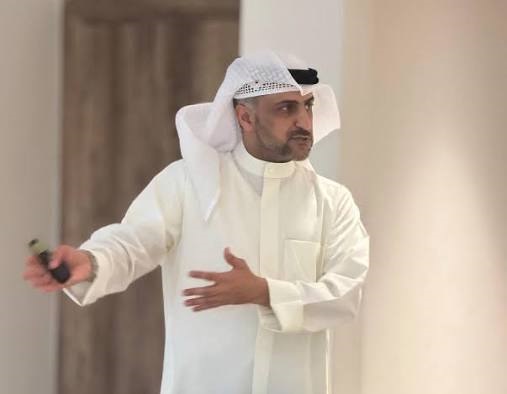
Namaa Charity organizes a training course for its staff on regulatory compliance and strengthening institutional adherence.
More info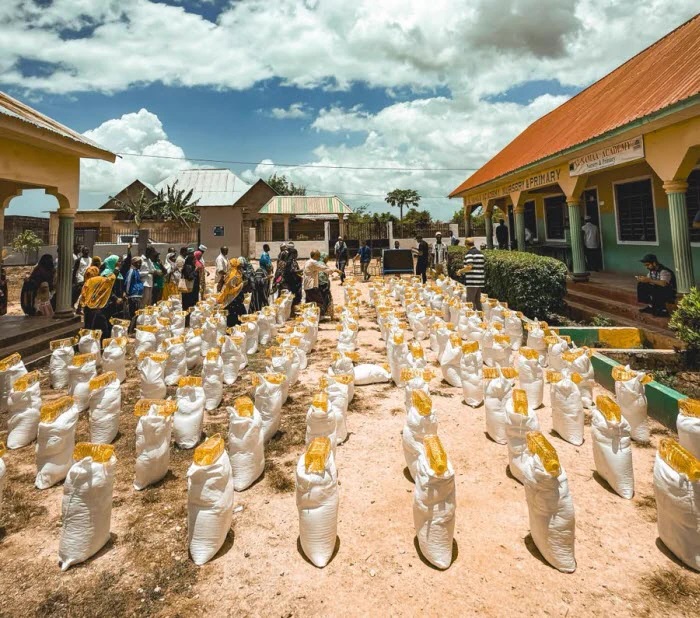
"Namaa Charity" and "Kaf Humanitarian" distribute 100 food baskets and 500 hot meals in Zanzibar
More info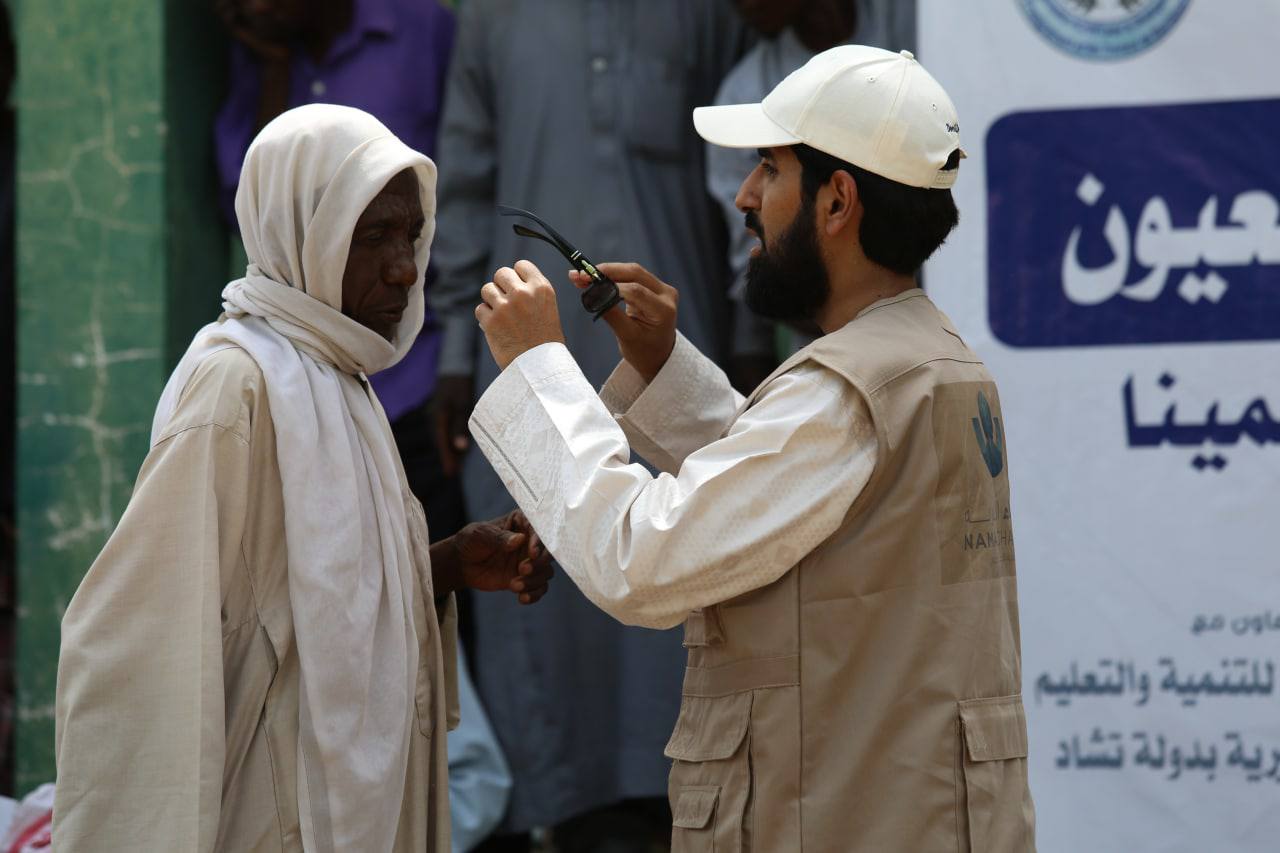
Namaa Charity: Our projects in India combine medical care, empowerment, and the provision of the means for a dignified life.
More info
"Al-Islah" and the King Hussein Cancer Foundation Sign Agreement to Support Cancer Treatment for Palestinian and Syrian Refugee Children
More info
"Al-Islah" and "Islamic Care" sign two agreements with the "UNHCR" to support refugees in Bangladesh and Sudan
More info
Leaders in the Charitable Sector: Youth Are the Cornerstone of Development and the Architects of the Future of Humanitarian Work
More info