 Login
 Zakat Calculator
 KD

News
"Al-Islah" and the King Hussein Cancer Foundation Sign Agreement to Support Cancer Treatment for Palestinian and Syrian Refugee Children
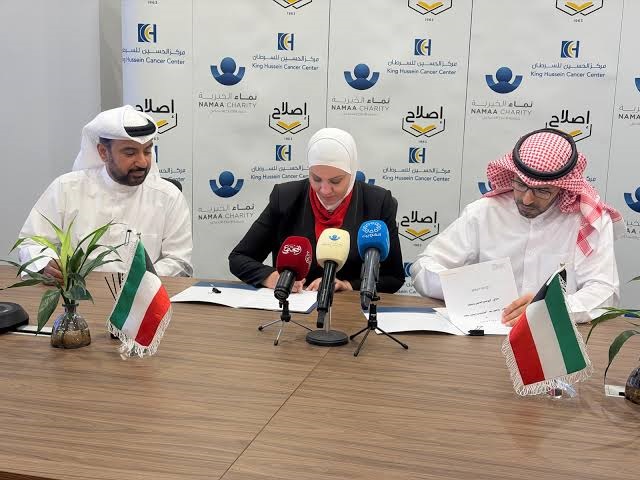
On Thursday, October 1, 2026, Namaa Charity—part of the Social Reform Society—signed a cooperation agreement with the King Hussein Cancer Foundation in the Hashemite Kingdom of Jordan. The agreement supports a comprehensive psychological and therapeutic care project aimed at treating Palestinian and Syrian refugee children suffering from cancer in Jordan, and providing necessary care for those unable to afford the costs of treatment.
This agreement is part of a humanitarian partnership between the two organizations, reflecting a shared commitment to supporting the most vulnerable patients, alleviating their suffering, and upholding children's right to healthcare. The total value of the project is 500,000 US dollars, with each party contributing 250,000 US dollars.
Supporting the treatment of Palestinian and Syrian refugee children
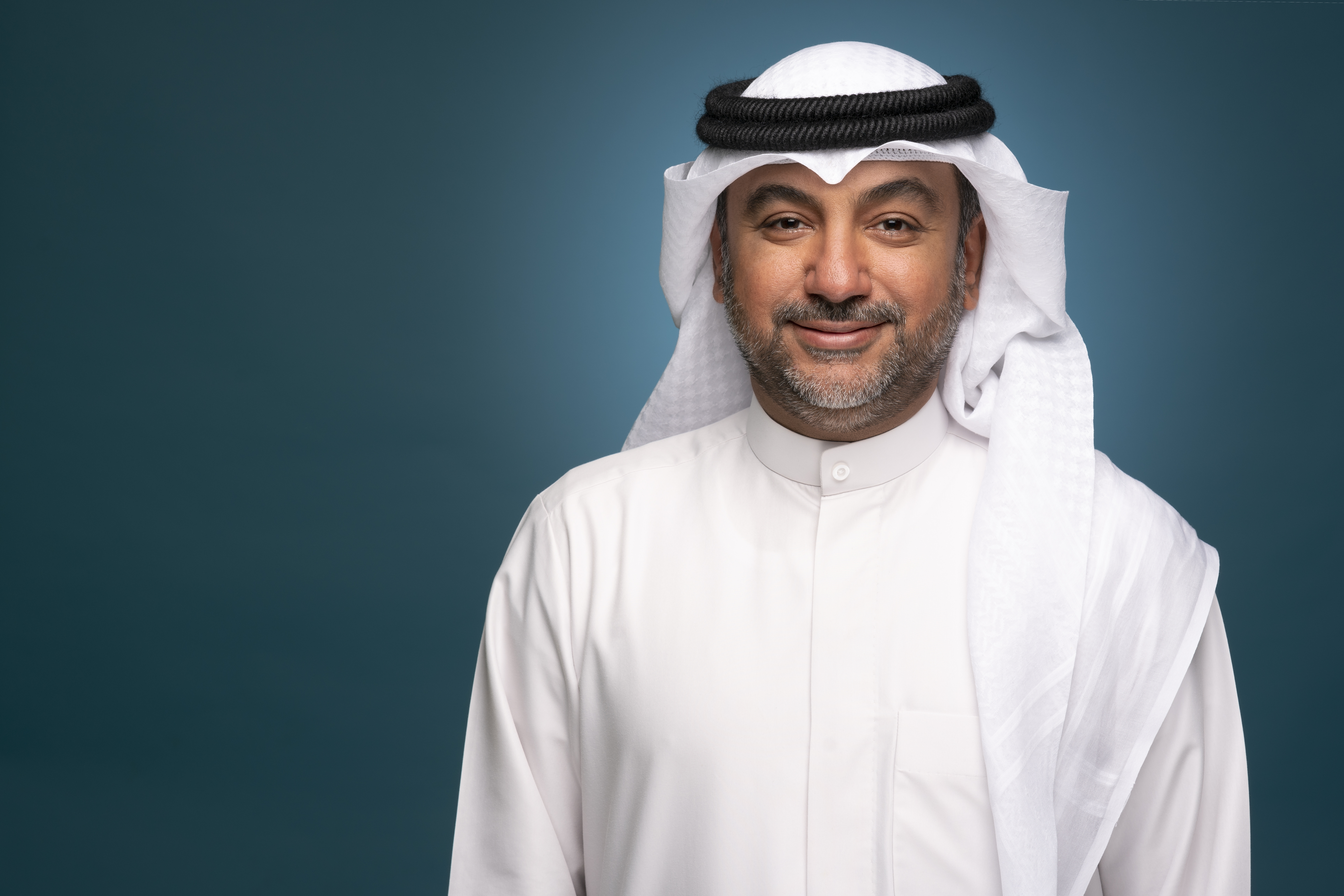
Saad Marzouq Al-Otaibi, CEO of Namaa Charity (Social Reform Society), stated that the agreement with the King Hussein Cancer Foundation is an extension of the humanitarian mission inherent in Kuwaiti charitable work—a mission dedicated to reaching individuals in the direst circumstances. He emphasized that supporting cancer patients, especially children, represents a vital aspect of this humanitarian responsibility. Al-Otaibi explained that the agreement aims to provide comprehensive psychological and therapeutic support to Palestinian and Syrian refugee children suffering from cancer in the Hashemite Kingdom of Jordan. This is to be achieved through collaboration with a specialized institution that possesses the necessary expertise and capabilities to deliver medical care in accordance with the highest quality standards. He noted that the objective extends beyond merely providing treatment; it also encompasses supporting both the child and their family as they navigate the challenges of the illness, including the associated psychological and humanitarian burdens.
He added that the agreement establishes clear criteria for identifying beneficiaries, limiting support to those who lack the financial means and have no other source to cover their treatment costs. Eligibility is determined based on medical and social assessments, as well as criteria concerning the patient’s health status and their socioeconomic situation, ensuring that support reaches those in greatest need.
Al-Otaibi pointed out that effective charitable work combines compassion with sound planning—balancing the desire to give with the assurance that aid reaches its intended recipients. He noted that the agreement includes clear mechanisms for monitoring and financial reporting, which enhances transparency and ensures the optimal use of resources allocated to the project.
He emphasized that Namaa Charity values this partnership with the King Hussein Cancer Foundation, viewing it as a humanitarian collaboration that translates the values of solidarity into tangible care. It provides children—who face both the challenges of illness and the hardships of life as refugees—with access to essential treatment and care. He further called for the continuation of such high-impact partnerships, which transform charitable giving into a means of creating a concrete, positive difference in human lives. Comprehensive Psychological and Therapeutic Care
For her part, Nisreen Qatamish, Director General of the King Hussein Cancer Foundation (KHCF), emphasized the significance of the agreement signed with Namaa Charity (part of the Social Reform Society). She noted that supporting Palestinian and Syrian refugee cancer patients aligns with the humanitarian mission of the KHCF, which seeks to provide holistic treatment to patients in Jordan and the broader region.
Qatamish explained that children battling cancer require more than just medical treatment; their journey necessitates psychological and social support alongside clinical care. This agreement reflects that need by backing an integrated project designed to assist children and their families in navigating the challenges posed by the illness.
She clarified that the KHCF follows a clear, structured process for reviewing cases before accepting them for treatment. Each case undergoes a medical assessment by a specialized team, followed by a social evaluation. These findings are then presented to relevant committees, which develop a treatment plan and identify specific needs based on medical priorities and established criteria.
She added that the selection of beneficiaries is guided by several factors—including medical condition, nationality, and socioeconomic status—while also ensuring that the individuals have no other sources of income or existing medical coverage. This approach ensures that support is directed toward the most vulnerable and those in greatest need.
Qatamish expressed her appreciation for the partnership with Namaa Charity, affirming that collaboration between humanitarian organizations opens new doors for patients to access the care they require. Such cooperation strengthens joint efforts to alleviate the suffering of children and their families, transforming humanitarian aid into a tangible opportunity for treatment and hope. For his part, Abdulaziz Al-Kandari, Deputy Executive Director of Namaa Charity, emphasized that this agreement aligns with the organization’s strategic focus on developing high-quality partnerships that ensure aid reaches those who truly need it, while transforming contributions from generous donors into programs that create a tangible impact on the lives of beneficiaries.
Al-Kandari explained that the focus on cancer treatment stems from the urgent needs faced by families unable to afford the high costs of medical care. He noted that the agreement specifically prioritizes Palestinian and Syrian refugee children, providing them with access to medical treatment and psychological support at the King Hussein Cancer Center.
He added that the agreement goes beyond mere funding; it establishes a comprehensive framework to ensure that support is directed appropriately. This process includes the assessment of individual cases—evaluating both medical and social needs—setting treatment priorities, and monitoring expenditures through periodic financial reporting, all of which foster trust and transparency in the management of the project’s funds.
Al-Kandari highlighted that Namaa Charity believes the true value of giving is not measured solely by the amount donated, but by the impact it leaves on human lives. He pointed out that supporting a child battling cancer can mean providing a chance for recovery, alleviating the suffering of their family, and restoring a sense of hope to lives burdened by both illness and the hardships of displacement.
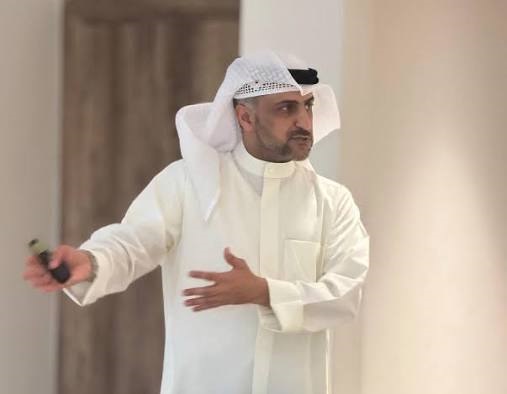
Namaa Charity organizes a training course for its staff on regulatory compliance and strengthening institutional adherence.
More info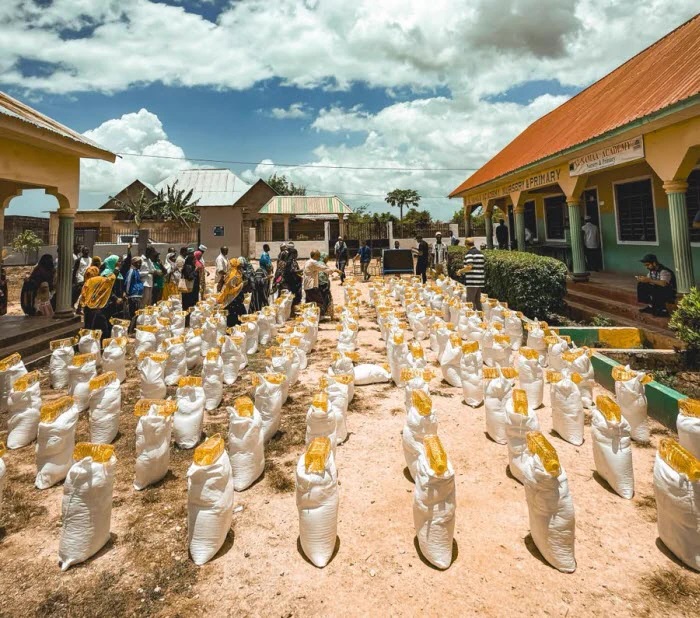
"Namaa Charity" and "Kaf Humanitarian" distribute 100 food baskets and 500 hot meals in Zanzibar
More info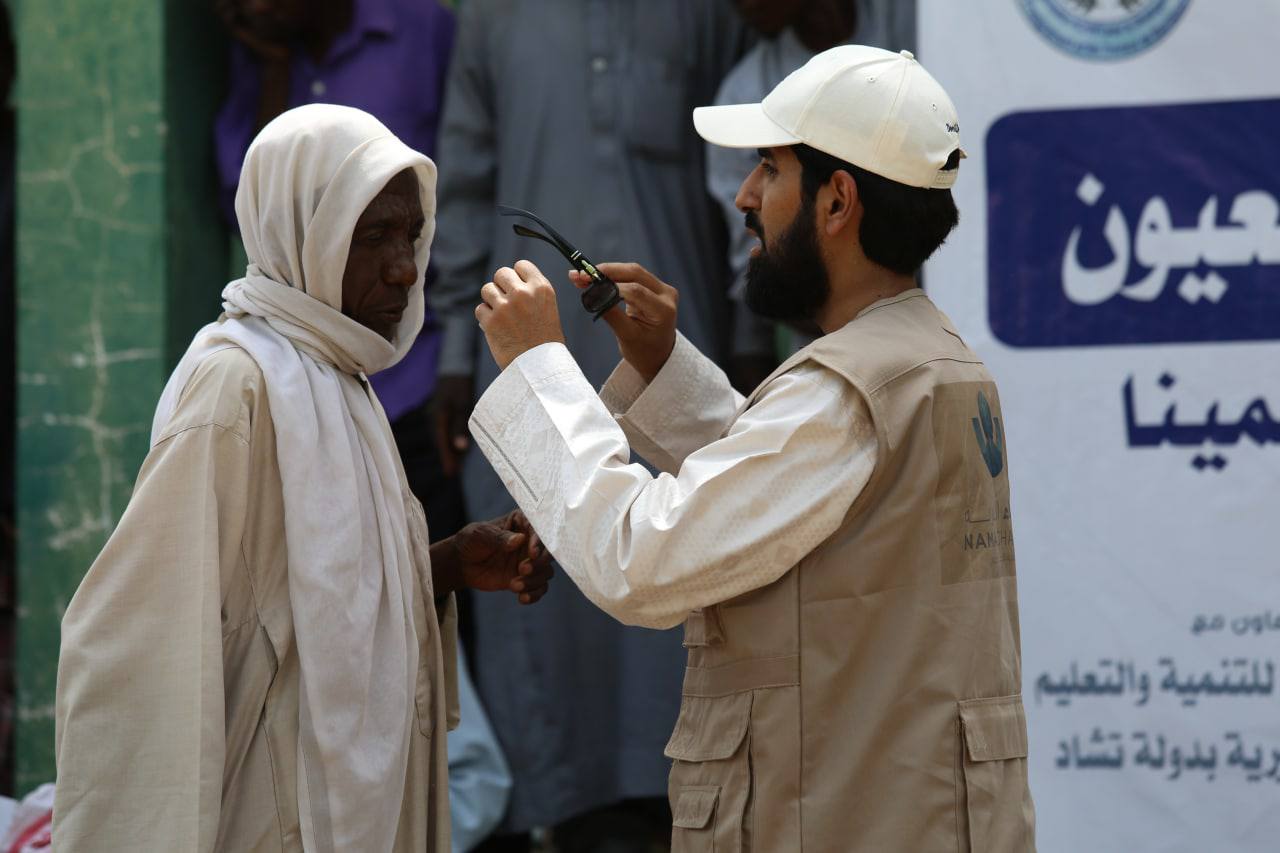
Namaa Charity: Our projects in India combine medical care, empowerment, and the provision of the means for a dignified life.
More info
"Al-Islah" and the King Hussein Cancer Foundation Sign Agreement to Support Cancer Treatment for Palestinian and Syrian Refugee Children
More info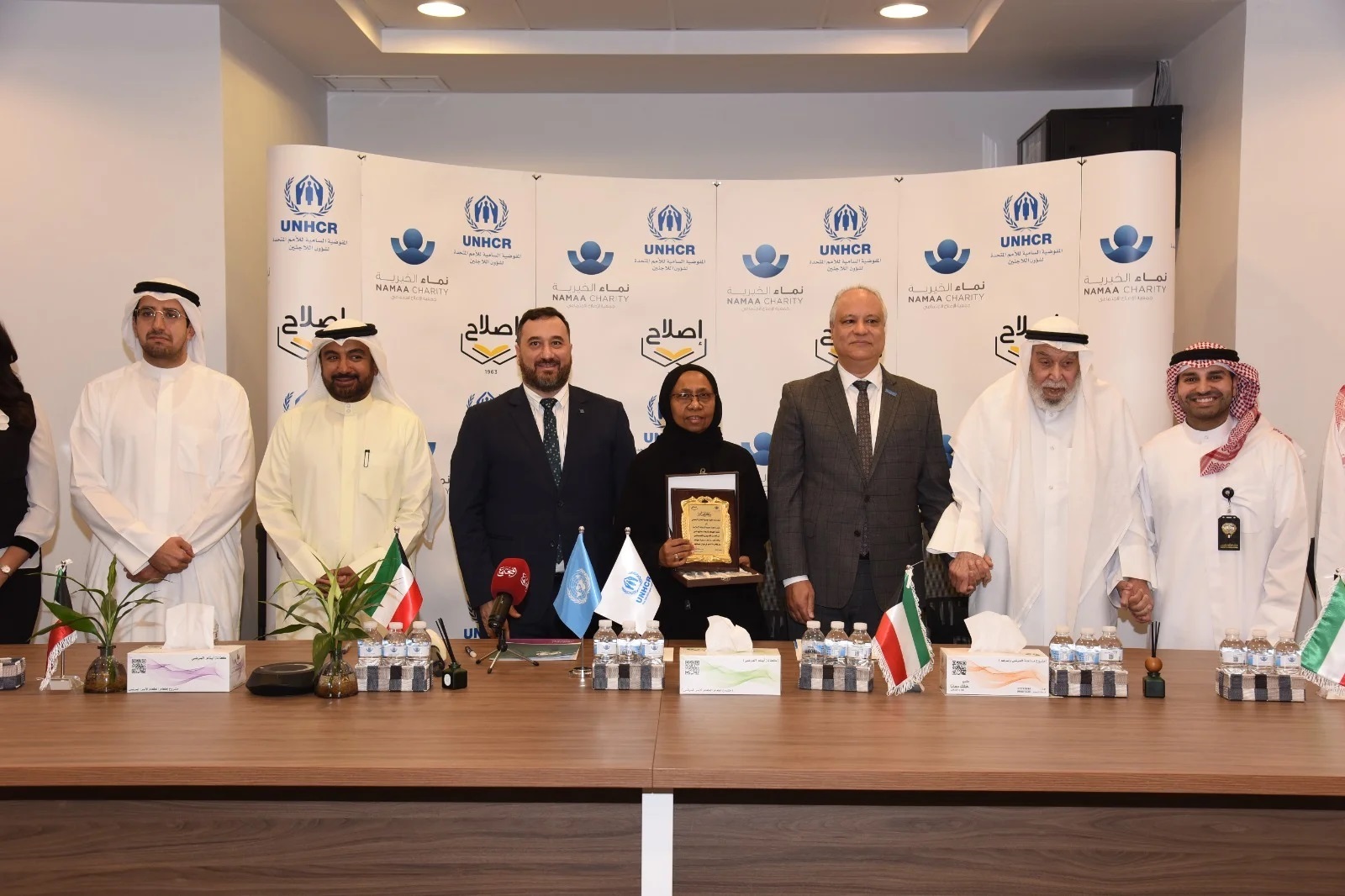
"Al-Islah" and "Islamic Care" sign two agreements with the "UNHCR" to support refugees in Bangladesh and Sudan
More info
Leaders in the Charitable Sector: Youth Are the Cornerstone of Development and the Architects of the Future of Humanitarian Work
More info