 Login
Login Zakat Calculator
 KD
KD

News
Namaa Charity Launches the “Humanitarian Work Platform” to Enhance Transparency, Governance, and Innovation in the Non-Profit Sector
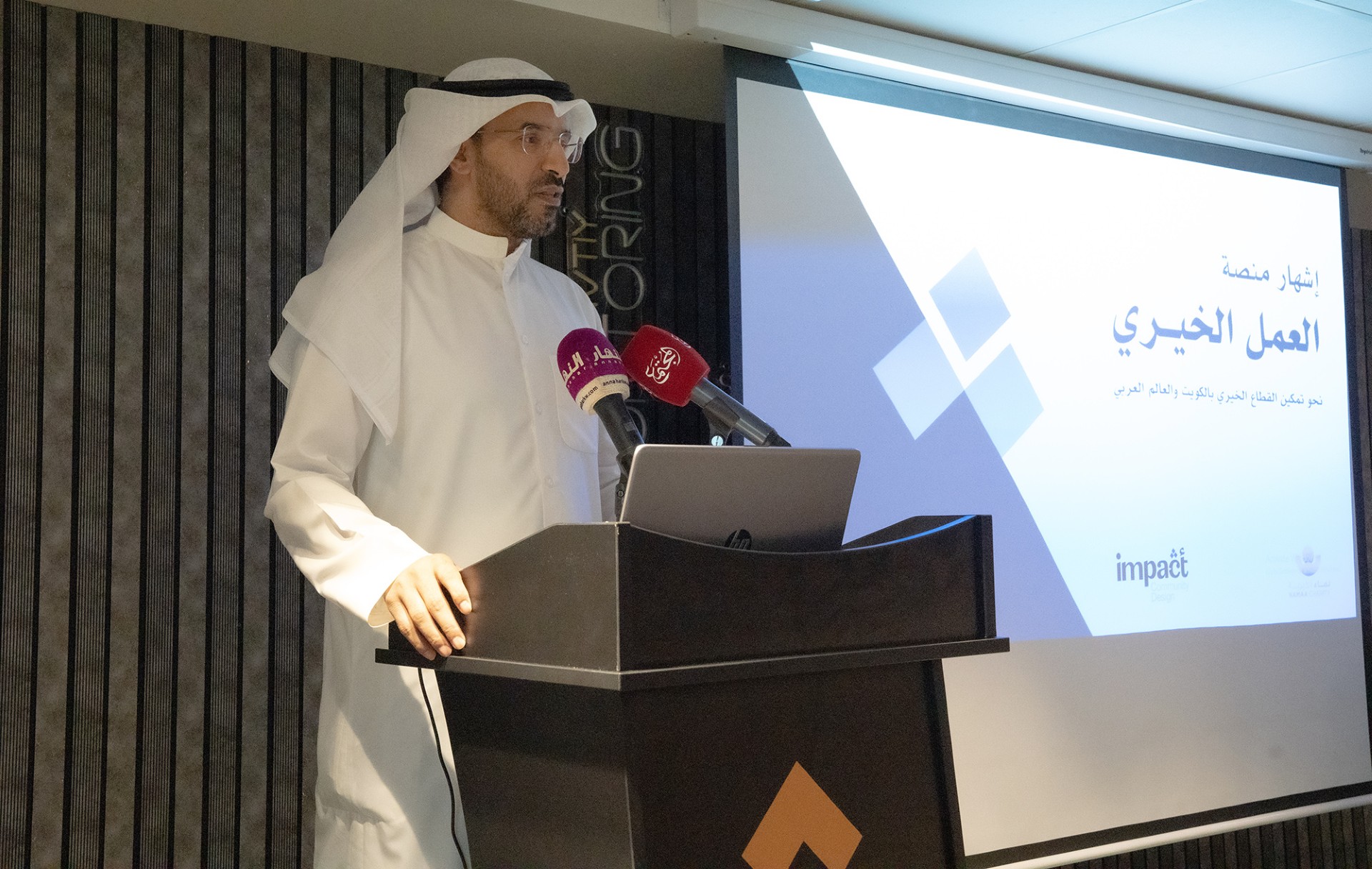
In a pioneering step that reflects Kuwait’s ambition to cement its position as a global humanitarian hub, Namaa Charity – a subsidiary of the Social Reform Society – announced the launch of the “Humanitarian Work Platform.” This innovative initiative aims to design new pathways in the charitable sector, combining analysis, vision, and practical application, moving institutions from reactive responses to sustainable, long-term impact.
In this regard, Saeed Marzouq Al-Otaibi, CEO of Namaa Charity, said:
“This platform, the fruit of accumulated experience and well-established institutional practice, represents a bridge between thought and action. It provides charitable institutions with advanced knowledge and practical tools that contribute to enhancing transparency, strengthening governance, fostering innovation, and achieving financial and organizational sustainability for the non-profit sector.”
He continued:
“Since Kuwait has always been a pioneer in building institutional humanitarian initiatives, Namaa Charity saw that the current moment requires presenting a project that keeps pace with technological and organizational transformations, and provides institutions with practical tools capable of facing real challenges and creating real impact.”
Al-Otaibi explained that the platform is based on the central idea of turning knowledge into practice, and practice into sound institutional decision-making, which ultimately leads to sustainable social and humanitarian impact. He noted that the platform draws inspiration from Kuwait’s humanitarian experience that combined originality in giving with innovation in organization.
The platform rests on four main dimensions:
Transparency: providing tools and accurate performance indicators.
Innovation: integrating modern technologies such as artificial intelligence into institutional work.
Governance: enhancing the role of boards of directors and internal oversight.
Sustainability: diversifying funding sources and building strategic partnerships.
Key Components of the Platform
The platform includes a set of interconnected projects and resources, such as:
The Humanitarian Work Journal: a periodical publication that tracks modern trends in the charitable sector, highlights innovative experiences, and fosters a culture of knowledge exchange between researchers and practitioners.
Practical resources: including applied manuals such as the AI in Charity Guide, Position Papers Guide for Humanitarian Issues, Funding Diversification and Financial Sustainability Guide, and frameworks for Good Governance and Strategic Management.
Advanced digital tools: including a Project Impact Analysis Tool to measure the efficiency and effectiveness of initiatives, and a Performance Dashboard to monitor operational and financial indicators in real time.
Events and conferences: interactive spaces that bring together experts and decision-makers to discuss humanitarian challenges and explore the future of the sector through regular seminars and a flagship annual conference.
Voices from Namaa Charity
Al-Otaibi:
“The launch of this platform reflects Namaa’s vision to elevate humanitarian work to a deeper and more institutional level of impact. What makes this platform unique is that it does not stop at providing theoretical knowledge, but translates it into practical, usable tools for charitable organizations. Applied guides, smart tools, and the periodic journal are all part of this practical orientation. We want to enable institutions to use data and scientific analysis in developing their projects and making decisions.”
Abdulaziz Al-Kandari, Deputy CEO of Namaa Charity:
“The Humanitarian Work Platform reflects Namaa’s commitment to building an advanced knowledge environment for the non-profit sector. We aim for decisions in charitable institutions to be based on evidence and scientific analysis, not improvisation or short-term impressions. One of the most important features of the platform is that it provides practical manuals covering crucial topics such as artificial intelligence, financial sustainability, governance, and policy papers. These are not just theoretical texts but applicable tools that help organizations improve their performance.”
He added:
“We noticed that part of the sector’s challenges lies in over-reliance on individual donations and the lack of accurate impact measurement tools. The platform addresses these gaps by offering analytical tools that enable organizations to assess their projects precisely and build diversified, sustainable funding strategies. Moreover, the conferences and seminars organized under the platform will open new horizons for collective thinking and collaborative solutions to humanitarian challenges.”
Abdulaziz Al-Ibrahim, Head of Communications at Namaa Charity:
“The Humanitarian Work Platform is not just an internal project for Namaa; it is directed to the wider civil society and charitable organizations seeking modern tools to enhance their effectiveness. That’s why communication plays a central role in delivering the platform’s messages to stakeholders, beneficiaries, and the public. Our role is to simplify its sometimes complex content and convey it in clear language, from decision-makers to field volunteers.”
He continued:
“Humanitarian work today cannot be separated from media. Media is the tool that turns ideas into influence, experiences into shared lessons, and initiatives into replicable models. That’s why success depends on making the platform present in public consciousness. We are building an integrated visual and communication identity for the platform, documenting success stories, and sharing them as sources of inspiration.”
Waleed Al-Bassam, Head of Projects and Development at Namaa Charity:
“Our experience in project development taught us that success in humanitarian work is not measured by the number of projects executed, but by their sustainability and real impact on people’s lives. That’s why the platform introduces analytical tools that measure cost per beneficiary and compare projects based on efficiency and impact rather than just spending size.”
He added:
“The performance dashboard will provide organizations with an unprecedented ability to track their operational and financial indicators in real time, raising governance and efficiency levels. I believe the greatest impact of the platform will be in strengthening strategic planning culture within charities – shifting them from reactive crisis responses to proactive, well-prepared scenarios and wiser decisions. The Humanitarian Work Platform is the future of the charitable sector because it enables it to move from reaction to initiative, and from temporary relief to lasting impact.”
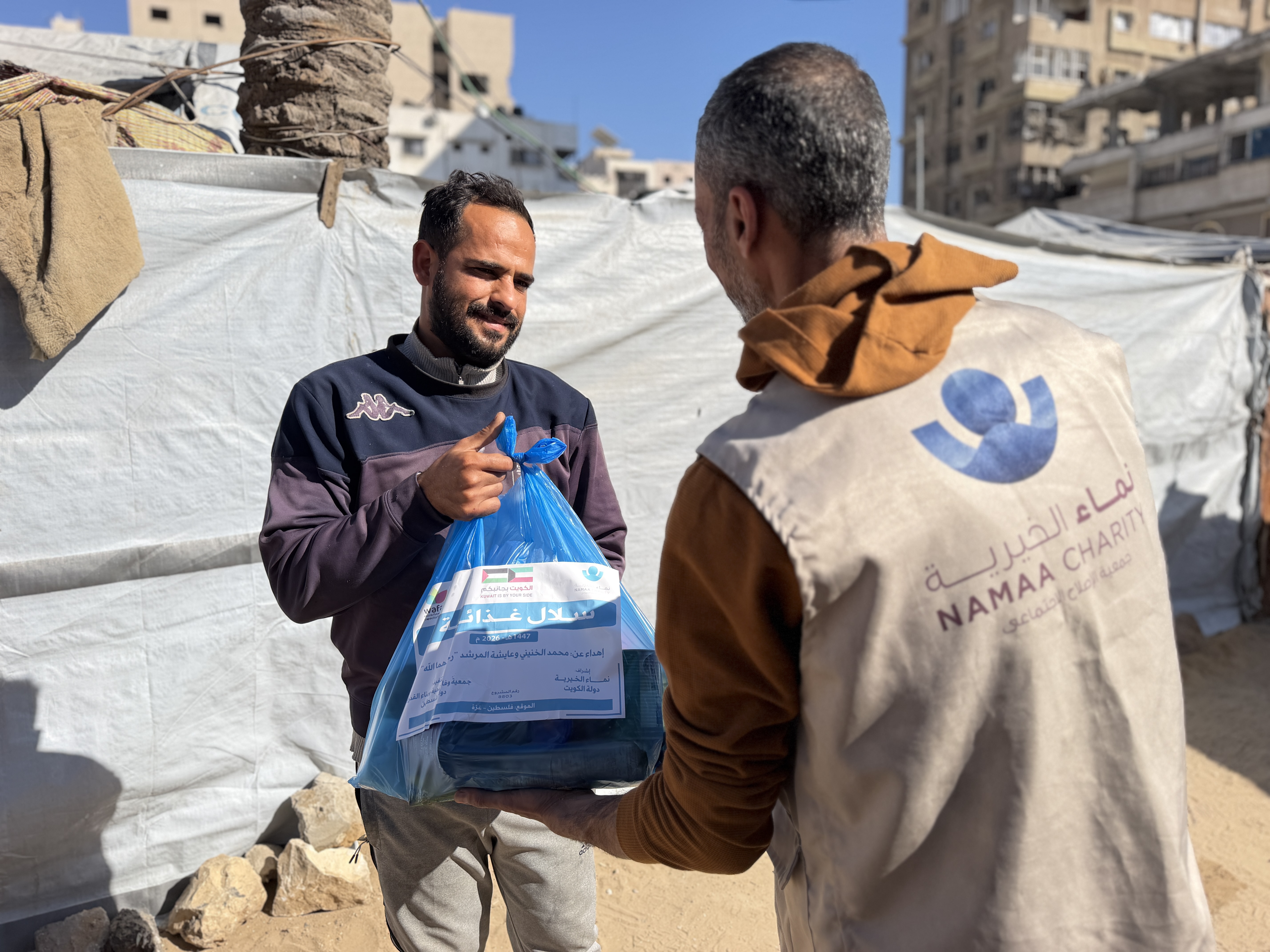
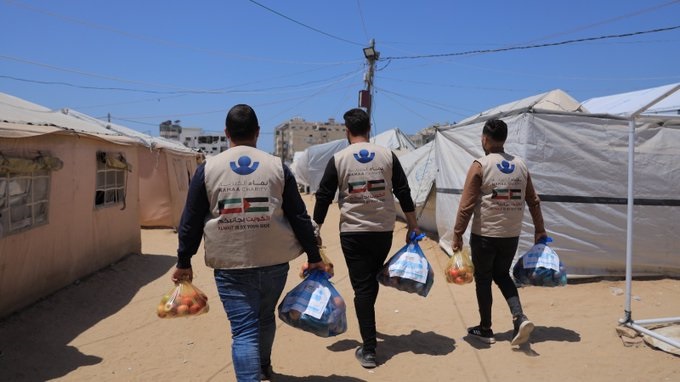
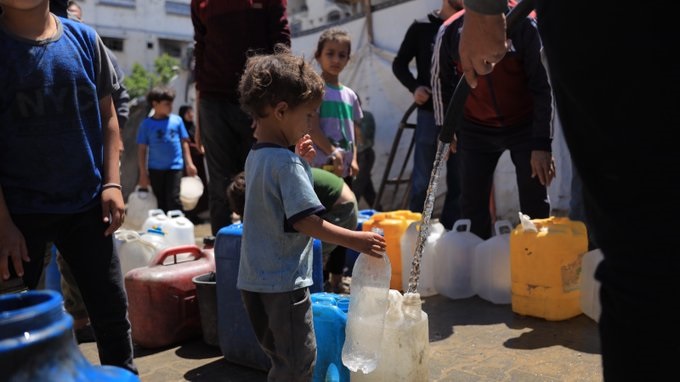
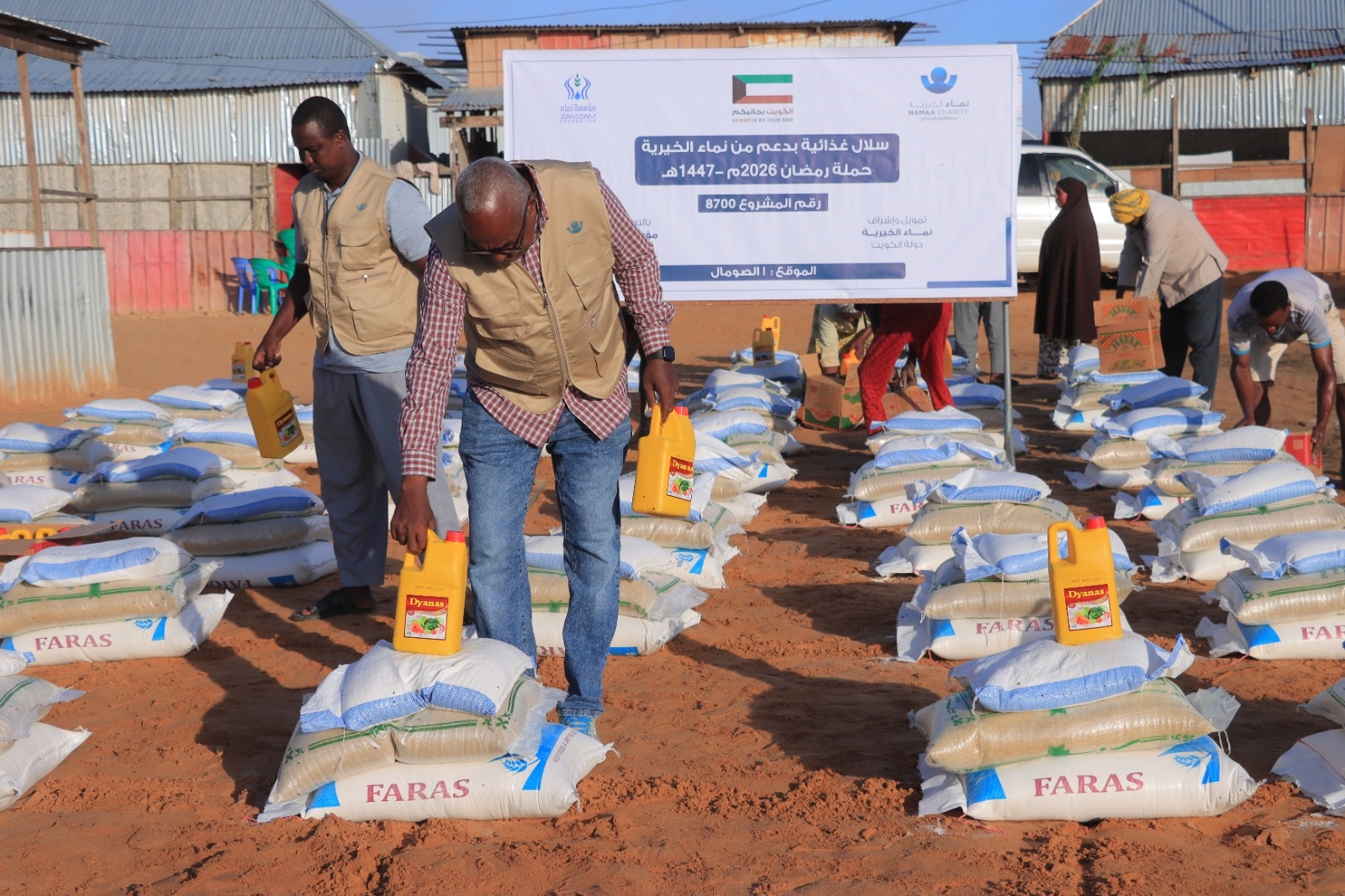
Namaa Charity continues to support Gaza residents by distributing food baskets, benefiting 1,000 people.
More info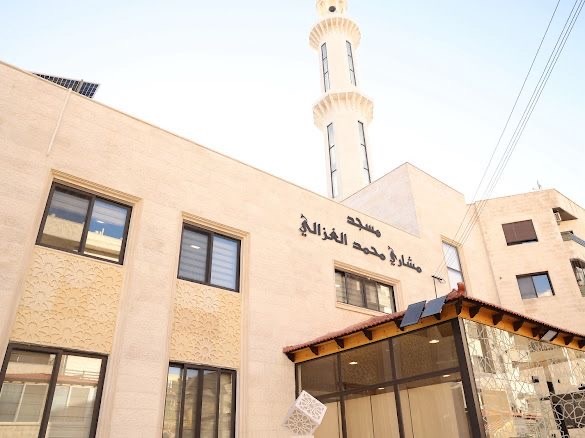
With Kuwaiti support and under the supervision of Namaa Charity, the "Mishari Al-Ghazali" Mosque was inaugurated in Jordan.
More info