 Login
Login Zakat Calculator
 KD
KD

News
Namaa Charity: Urgent intervention to combat malnutrition among children in Yemen
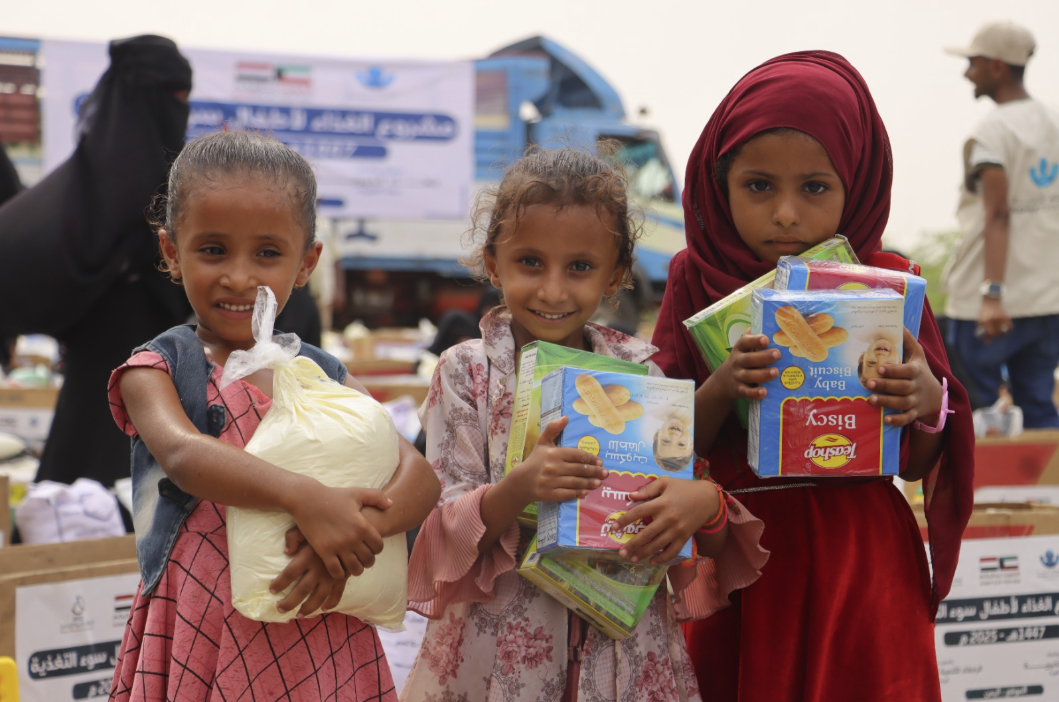
Amid the rapidly deteriorating humanitarian situation in Yemen, ongoing internal displacement, and the repercussions of the war, millions of Yemenis are living under the weight of an unprecedented food crisis. This crisis is manifested in severe food shortages and widespread malnutrition, especially among children and women, along with the spread of diseases such as cholera and acute diarrhea.
In response to this crisis, Namaa Charity, affiliated with the Social Reform Society in Kuwait, in a strategic partnership with the Al-Rufaq Association for Human Development, implemented a relief project in the city of Hays in Al Hudaydah Governorate. The project included the distribution of 966 comprehensive food baskets to the most vulnerable displaced families, in addition to the provision of medicines specifically designed to treat life-threatening malnutrition in children.
Walid Al-Bassam, Head of Finance, Administration, and Governance at Namaa Charity, said: "This intervention comes at a critical time when Yemen is suffering from a stifling food crisis. The tragedy is summed up in empty stomachs and children facing the risk of emaciation and death due to malnutrition, in addition to the lack of the most basic necessities of life. The food baskets contained essential supplies sufficient for a full month, along with therapeutic medicines aimed at saving the lives of children from the clutches of disease and hunger."
Al-Bassam added: "Reaching the displaced was not easy due to destroyed roads, fuel shortages, and complex logistical challenges. However, thanks to coordination with the Al-Rufaq Association, we were able to reach the neediest families fairly and transparently, whether in remote villages or besieged neighborhoods."
For his part, Majdi Bin Harhara, Executive Director of the Al-Rufaq Association for Human Development, said: "This project was not limited to quelling hunger alone, but also included medical interventions to combat malnutrition among children, which constitutes a direct lifesaver. We are dealing with people who have lost the basics of a decent living, and it was our duty to extend a helping hand to them." He expressed his gratitude to the State of Kuwait, its leadership and people, emphasizing that this cooperation with Namaa Charity reflects a practical model of humanitarian integration between Kuwaiti and Yemeni institutions. Field teams conducted a comprehensive survey and identified the most vulnerable groups, such as widows, the elderly, and malnourished children, to ensure that aid reaches those most in need.
Harhara concluded his statement by saying, "We extend our sincere gratitude to every generous donor who made this intervention possible, and we emphasize that Yemen today is in dire need of more joint and sustainable action, not limited to food, but also including healthcare and treatment to save the lives of an entire generation threatened by hunger and malnutrition."
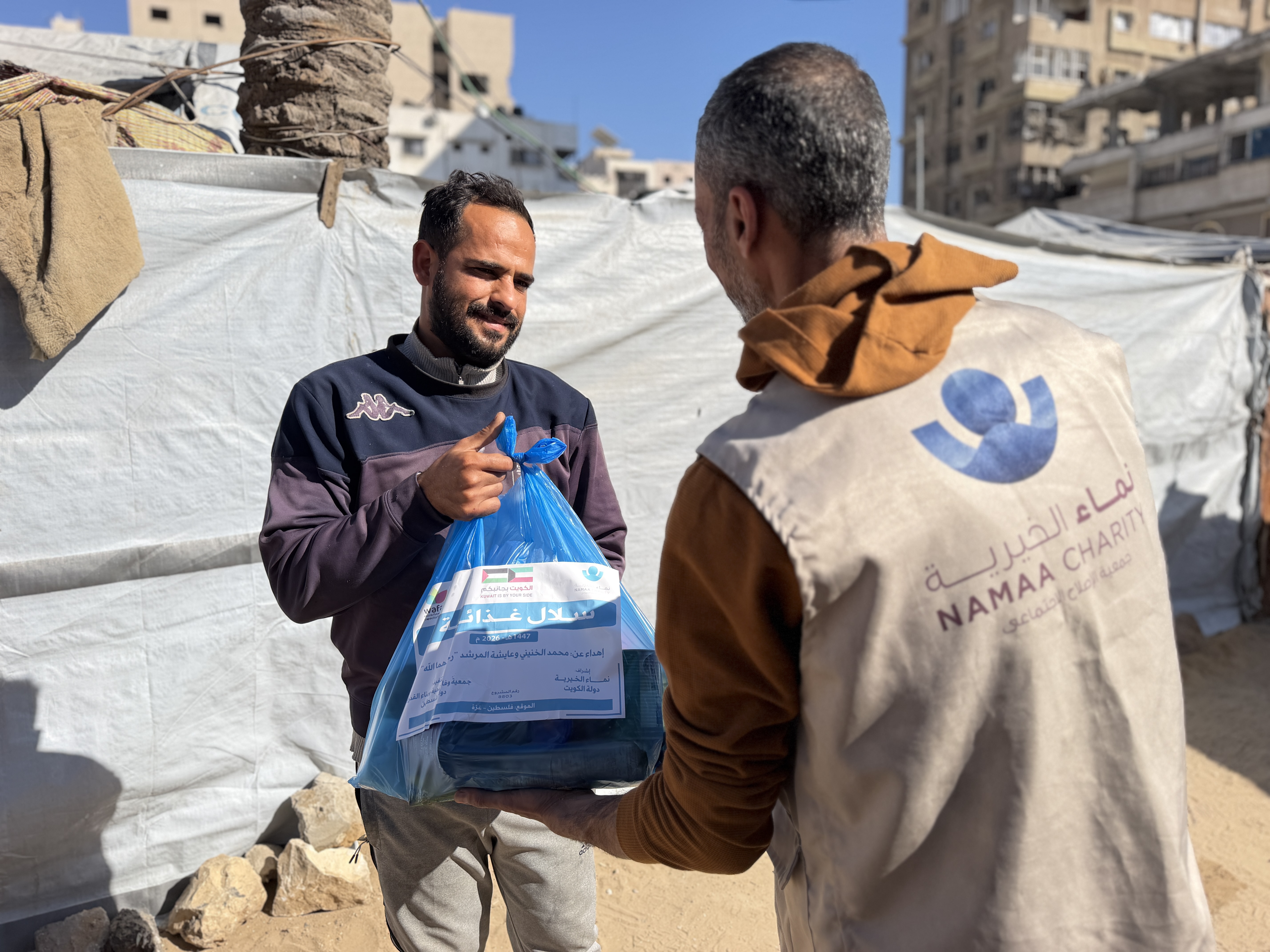
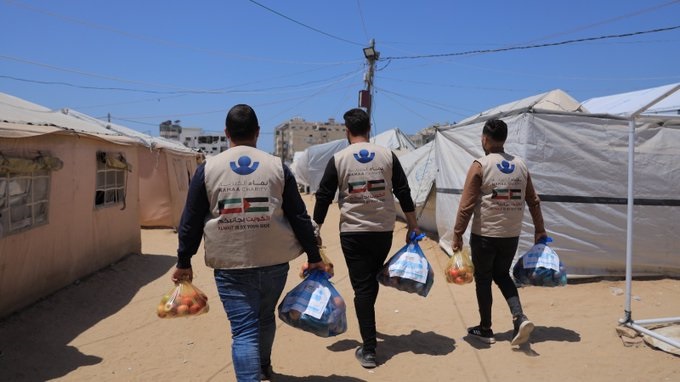
Namaa Charity continues to support Gaza residents by distributing food baskets, benefiting 1,000 people.
More info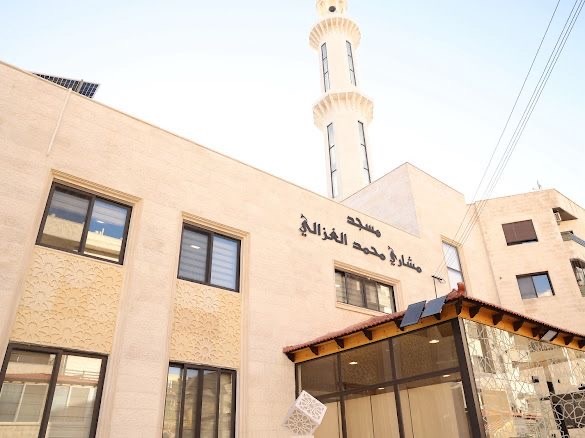
With Kuwaiti support and under the supervision of Namaa Charity, the "Mishari Al-Ghazali" Mosque was inaugurated in Jordan.
More info