 Login
Login Zakat Calculator
 KD
KD

News
Al-Hajras: Volunteering at "Namaa Charity" is about making an impact and a journey to empower people.
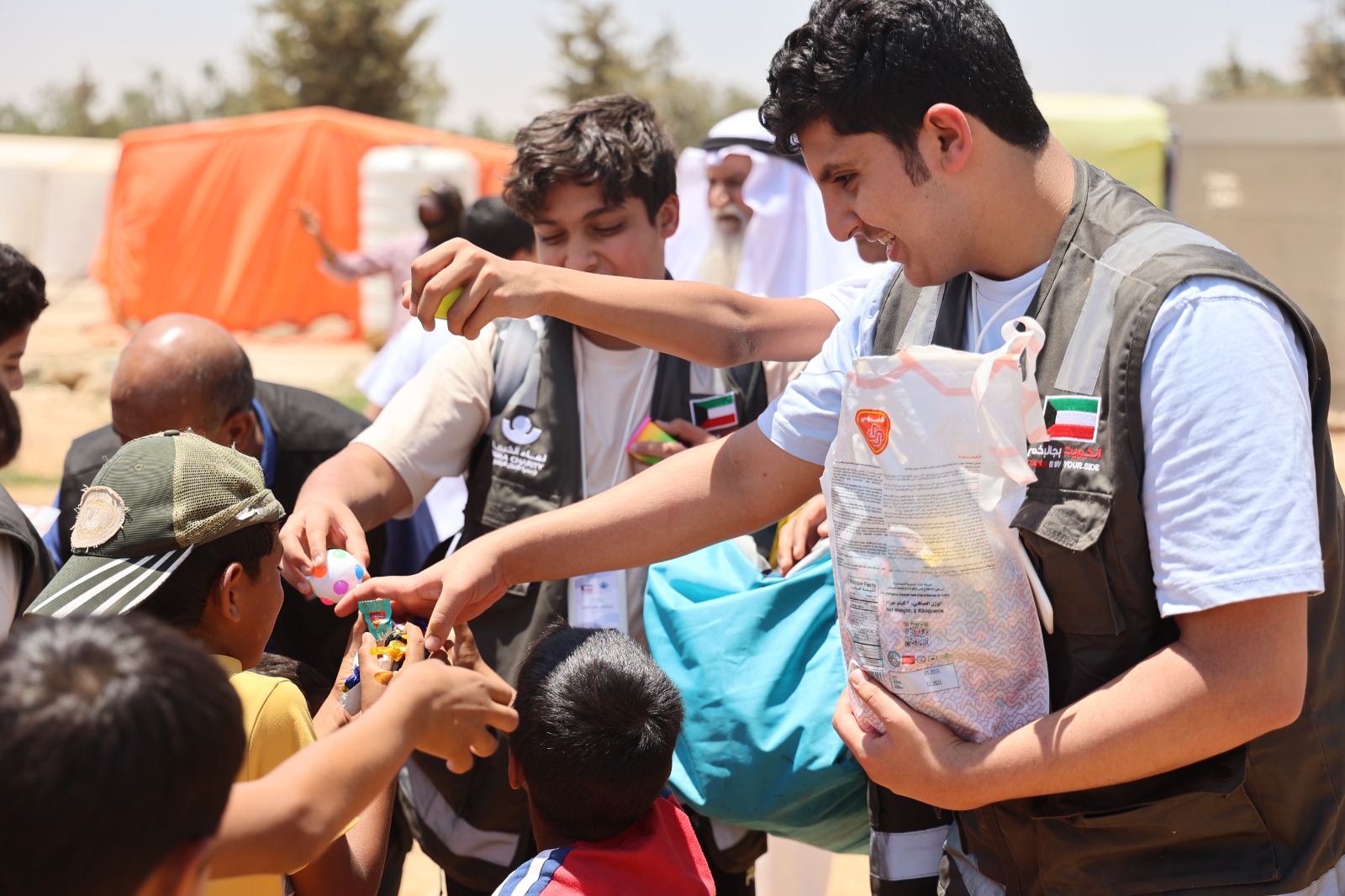
Abeer Yousef Al-Hajras, Director of the Athar Center for Volunteer Work, affiliated with Namaa Charity at the Social Reform Society, affirmed that volunteering is no longer a fleeting initiative or a seasonal activity, but has become a fundamental element in building and developing societies. She pointed out that the Athar Center operates according to a clear vision aimed at transforming volunteering into a professional system that cultivates a generation capable of making a humanitarian and developmental impact both within and outside Kuwait.
Al-Hajras stated that the Athar Center was launched in response to a pressing societal need to organize volunteer efforts and promote a culture of community participation. The center works to empower, train, and qualify volunteers through specialized programs that help them acquire leadership, teamwork, planning, and the ability to professionally implement humanitarian initiatives. She emphasized that the center does not view volunteering merely as charity, but as a path to human development, enhancing awareness and capabilities, and directing energies to serve the community.
She added that the Athar Center adopts a wide range of volunteer programs and projects, most notably the Wa'ed program for youth development, humanitarian relief initiatives inside and outside Kuwait, as well as projects supporting underprivileged families, educational activities, school supplies, and community awareness programs.
She explained that each program is carefully designed to meet the specific needs of the target groups and address real challenges through sustainable solutions, emphasizing that true volunteering is that which leaves a lasting impact on the lives of beneficiaries.
Al-Hajras pointed to the important role the center plays in organizing international volunteer trips, which she described as profound humanitarian experiences that transform the volunteers even before the beneficiaries. She said: “Our trips to Jordan, Tanzania, Chad, and Kenya carried significant humanitarian messages, not only in providing food and medical support, but also in building bridges of compassion and direct interaction with communities in need. We believe that closeness to people is what creates a real impact.” She affirmed that the center also operates in line with Kuwait Vision 2035 by empowering youth, enhancing human capital, leveraging modern technologies to organize initiatives, and utilizing digital platforms to manage volunteers and projects. This, she explained, increases the efficiency of volunteer work, making it more comprehensive and professional.
Al-Hajras also emphasized the importance of localizing charitable work within Kuwait by building strategic partnerships with governmental, non-governmental, and private institutions, supporting national talent, and spreading a culture of volunteerism across all segments of society. She stated, "Our goal is for charitable work to become an integral part of Kuwaiti identity, and to cultivate a generation that views volunteering as a duty and a responsibility before it is an initiative."
In closing, Al-Hajras confirmed that the "Athar" Center continues to develop its programs and initiatives and remains committed to its mission of strengthening Kuwait's humanitarian standing and inspiring more young people to become partners in doing good and building a more cohesive and cooperative society. She added, "We are not focused on the number of volunteers as much as we are on the impact of their contributions. Every volunteer hour is a mark added to Kuwait's humanitarian record."
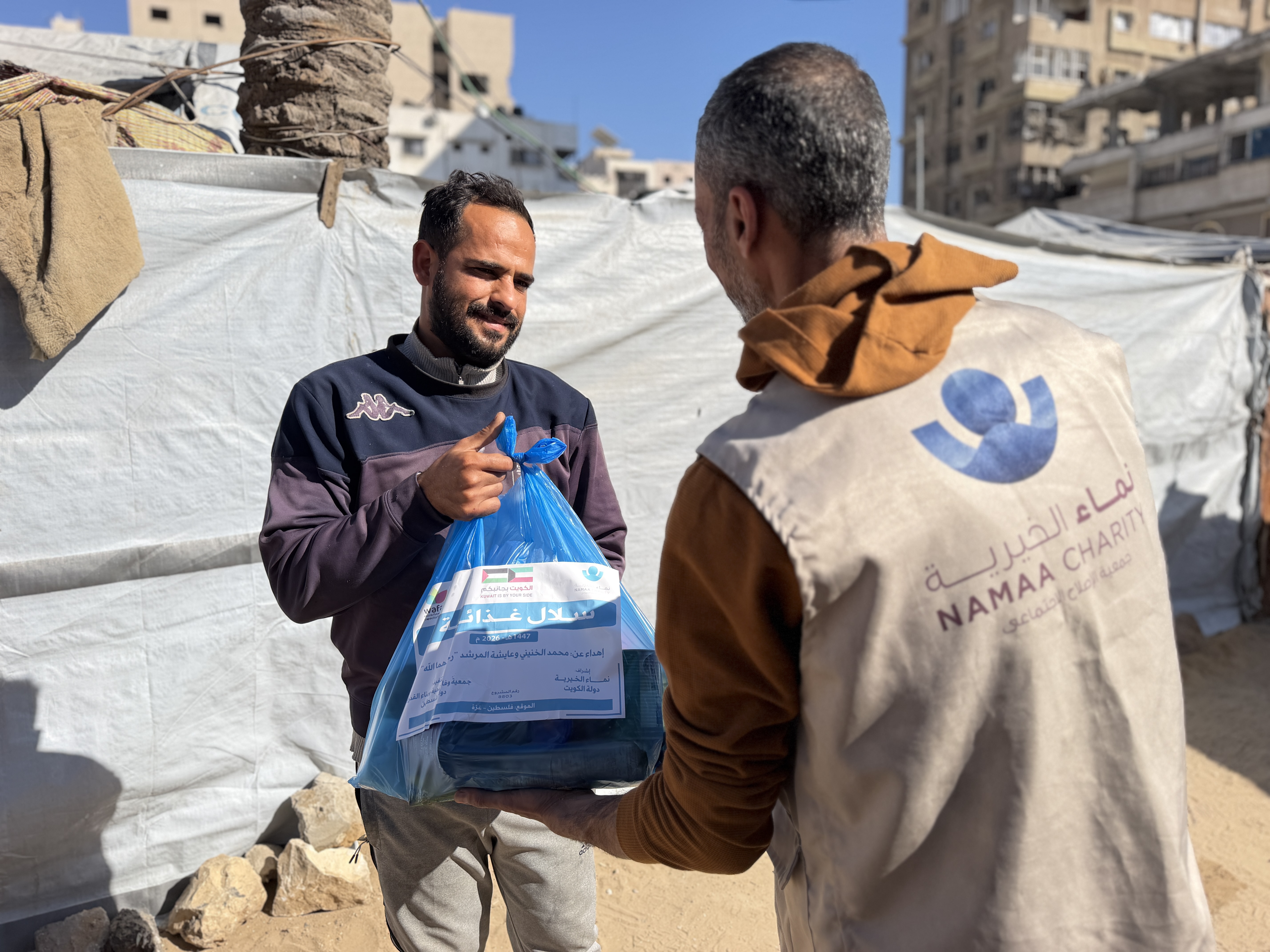
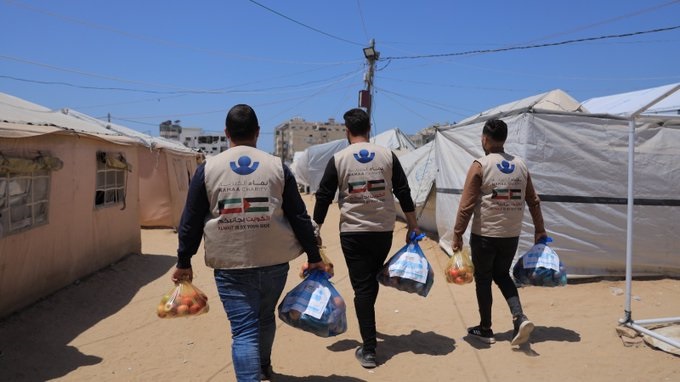
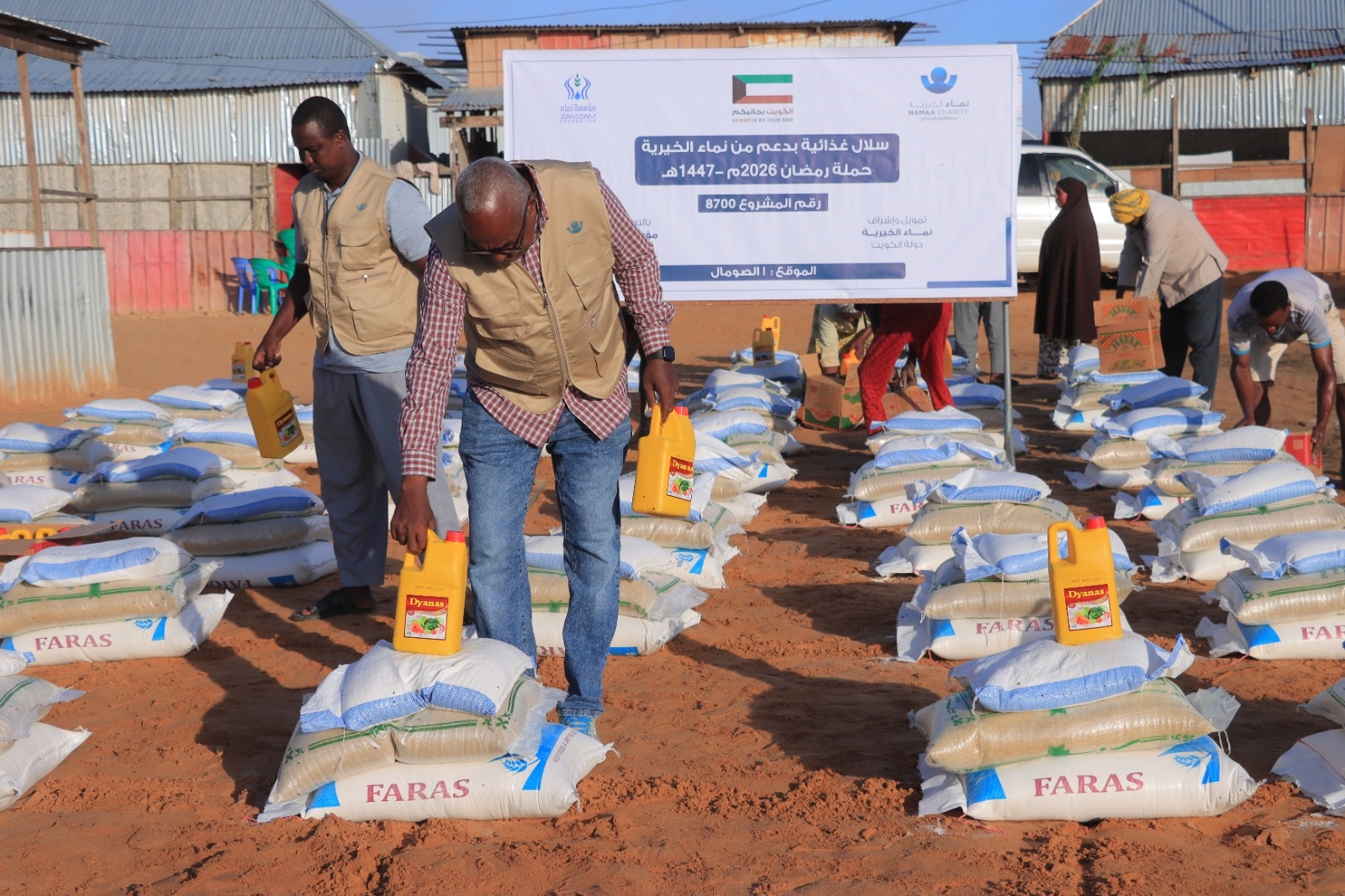
Namaa Charity continues to support Gaza residents by distributing food baskets, benefiting 1,000 people.
More info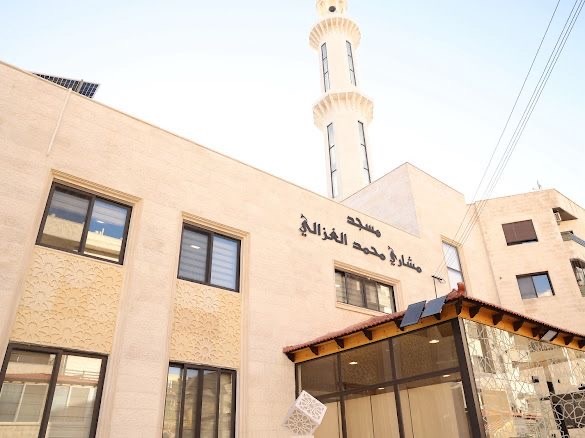
With Kuwaiti support and under the supervision of Namaa Charity, the "Mishari Al-Ghazali" Mosque was inaugurated in Jordan.
More info