 Login
Login Zakat Calculator
 KD
KD

News
During his visit to Namaa Charity, the Uzbek ambassador stated: Kuwaiti charitable work is a leading global model.
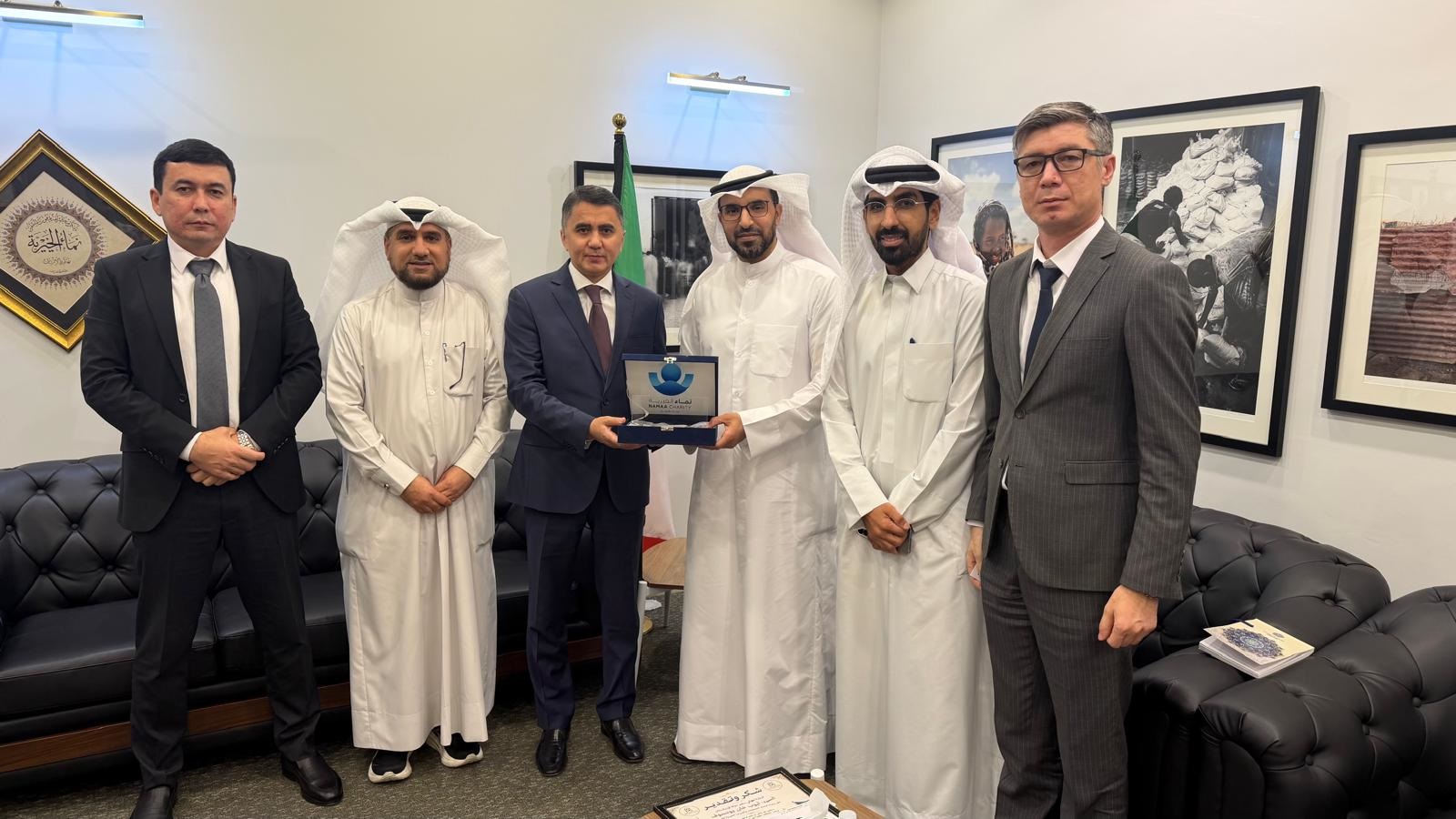
The Ambassador of the Republic of Uzbekistan to the State of Kuwait, Ayub Khan Yunusov, affirmed that Kuwaiti charitable and humanitarian work represents a leading model to be emulated globally, reflecting a deep-rooted humanitarian commitment and impactful initiatives that reach various parts of the world.
Following his visit to the Namaa Charity headquarters at the Social Reform Society, Yunusov stated that this visit comes within the framework of strengthening cooperation between the two countries and opening new horizons for joint humanitarian work. He praised the significant role played by Kuwaiti charitable institutions, foremost among them Namaa Charity, in serving the most vulnerable groups.
He explained that Uzbekistan is experiencing growing needs in a number of areas, particularly in regions affected by harsh environmental conditions such as the repercussions of the drying up of the Aral Sea. This underscores the importance of building effective humanitarian and development partnerships that contribute to improving the living conditions of local communities. He explained that his country has made significant progress in regulating charitable work by registering several Uzbek organizations on approved Kuwaiti platforms. This facilitates partnerships with Kuwaiti charities within established official frameworks and enhances the efficiency and transparency of project implementation.
He noted that the Uzbek side presented several priority development projects during the meeting, including the restoration and modernization of a school in an environmentally affected area, empowering unemployed youth through productive agricultural projects, and supporting the health sector by equipping ambulance and emergency centers to improve the quality of life for local communities.
He commended Namaa Charity and the Union of Charitable Societies and Foundations for their commitment to adhering to official procedures in project implementation, ensuring that aid reaches those who need it most. He expressed his hope to finalize discussions on technical details and establish future cooperation that will achieve a sustainable humanitarian and developmental impact. For his part, Saad Marzouq Al-Otaibi, Chairman of the Union of Charitable Societies and Foundations and CEO of Namaa Charity, stated that Kuwaiti charitable work represents a deeply rooted humanitarian tradition, its foundations stretching back decades. This tradition is based on the values of giving and solidarity inherent in Kuwaiti society and translated into impactful initiatives that have reached various countries around the world.
He explained that this distinction stems from the integrated efforts of official bodies and charitable institutions, coupled with a commitment to governance and transparency. This has strengthened donor confidence and solidified Kuwait's position as a leading nation in humanitarian work.
He emphasized that Namaa Charity welcomes all forms of humanitarian cooperation and seeks to exchange expertise and explore avenues for joint action that serve people and enhance developmental and humanitarian partnerships. He further stated that one of Namaa Charity's strategic objectives is to expand its reach to areas with limited humanitarian aid, giving top priority to those most in need. He emphasized that Namaa Charity operates within a comprehensive institutional framework through accredited partners and institutions under the auspices of the Kuwaiti Ministry of Foreign Affairs, adhering to all official procedures that ensure the transparency and efficiency of humanitarian work, reflecting the honorable image of the State of Kuwait.
In a related context, Khaled Mubarak Al-Shamari, Head of the Development and Relief Sector at Namaa Charity, explained that the organization is currently gathering all the technical and financial details of the three proposed projects to ensure clarity of vision and precise implementation before launch.
Al-Shamari added that the team is preparing a comprehensive list of governance and implementation questions, including mechanisms for transferring funds, periodic reporting systems, and field verification criteria to ensure that aid reaches its intended beneficiaries.
He affirmed that Namaa Charity is studying the three projects from all angles, including the integrity of official procedures, implementation and oversight mechanisms, and ensuring that aid reaches the beneficiaries optimally. He indicated that the possibility of conducting a field visit will be explored, stressing the importance of scheduling the visit according to a pre-arranged timetable to ensure the achievement of the desired objectives of the field evaluation.
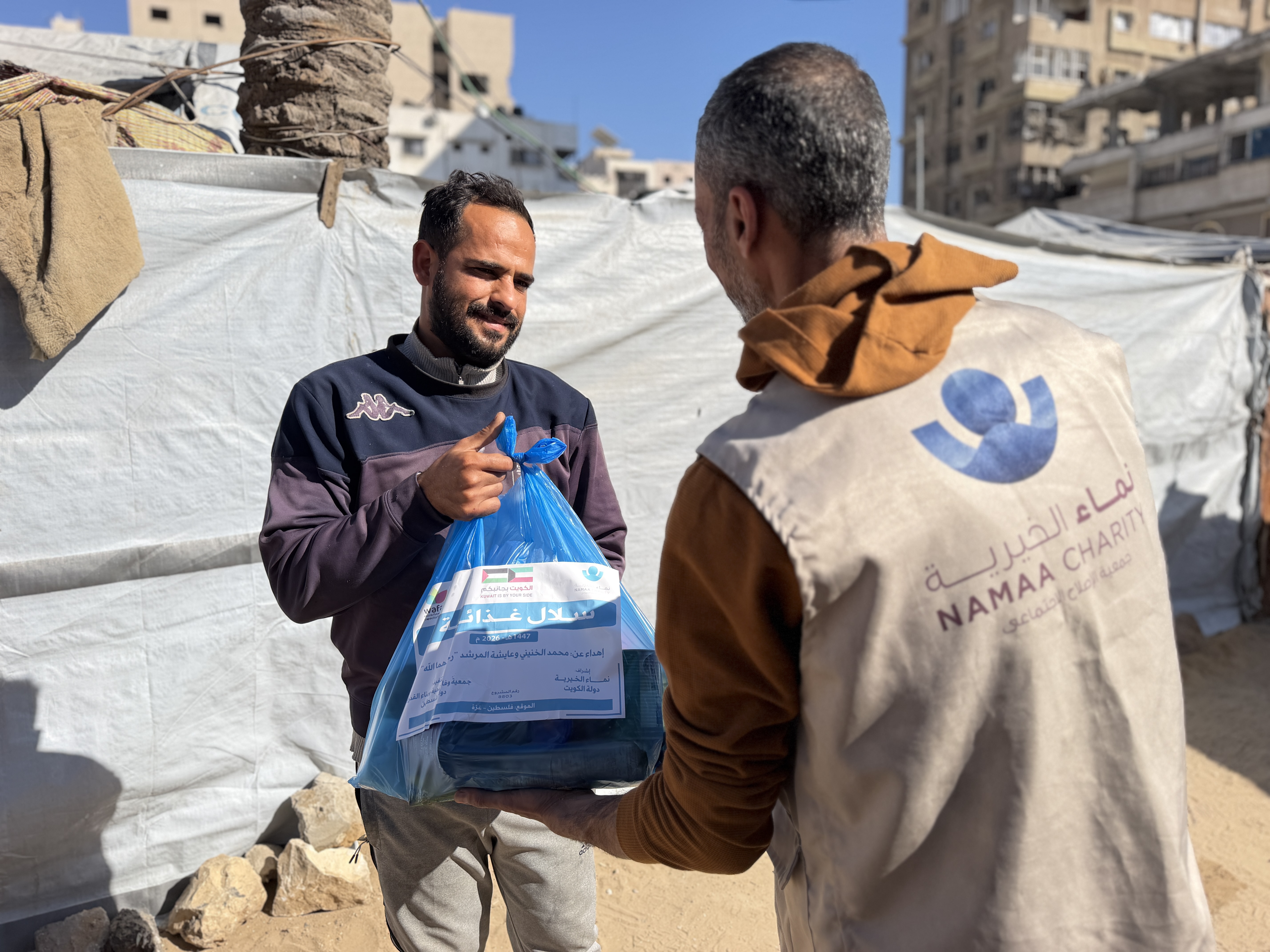
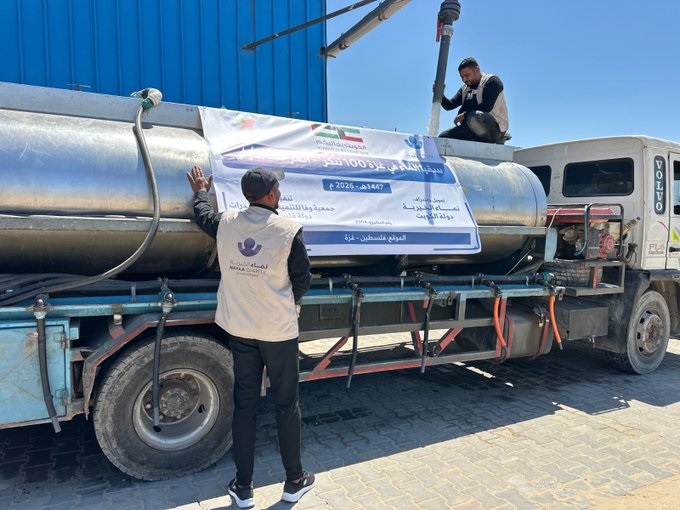
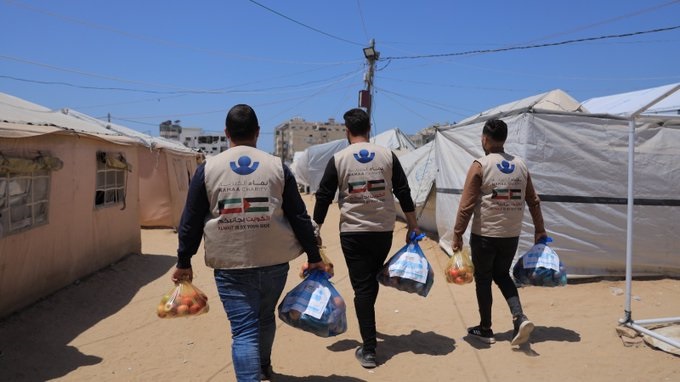
Namaa Charity continues to support Gaza residents by distributing food baskets, benefiting 1,000 people.
More info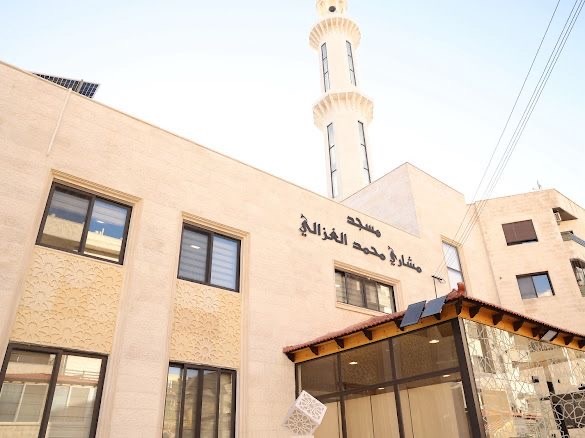
With Kuwaiti support and under the supervision of Namaa Charity, the "Mishari Al-Ghazali" Mosque was inaugurated in Jordan.
More info