 Login
Login Zakat Calculator
 KD
KD

News
Al-Ibrahim: The journey of dedication and creativity is represented in Namaa's projects during the last ten days of Ramadan.
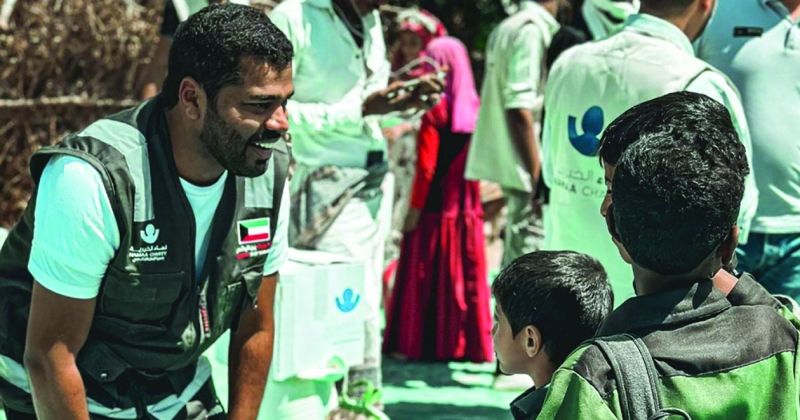
During the last ten days of Ramadan, generous donations compete to provide charitable services, and humanitarian efforts to aid those in need around the world increase. Namaa Charity, one of the most prominent relief organizations, is racing against time to provide support and relief to the most needy groups through quality projects that make a real difference in the lives of beneficiaries.
In this context, Abdulaziz Al-Ibrahim, Head of Communications at Namaa Charity at the Social Reform Society, spoke about Namaa's projects during the last ten days, the role of technology in developing humanitarian work, and the importance of localizing charitable projects. He also spoke about Namaa's partnerships with the General Secretariat of Endowments and their impact in supporting relief work. He said, "The last ten days of Ramadan are a great opportunity to double your rewards and giving, and Namaa Charity is keen to provide quality projects that cover various aspects of humanitarian need, whether in Gaza or the most affected countries."
Al-Ibrahim noted that technology has become a key partner in charitable work, contributing to the launch of digital donations through smart applications and electronic platforms. This has facilitated the delivery of donations from anywhere in the world, as well as data analysis and monitoring of needs.
He added: "We use artificial intelligence and big data technologies to study field conditions, direct aid more accurately and efficiently, and communicate with donors and beneficiaries via text messages, electronic reports, and live broadcasts from field sites. This enhances transparency, credibility, monitoring, and follow-up. Technology allows us to monitor project implementation in real-time and ensure that support reaches those who deserve it as quickly as possible."
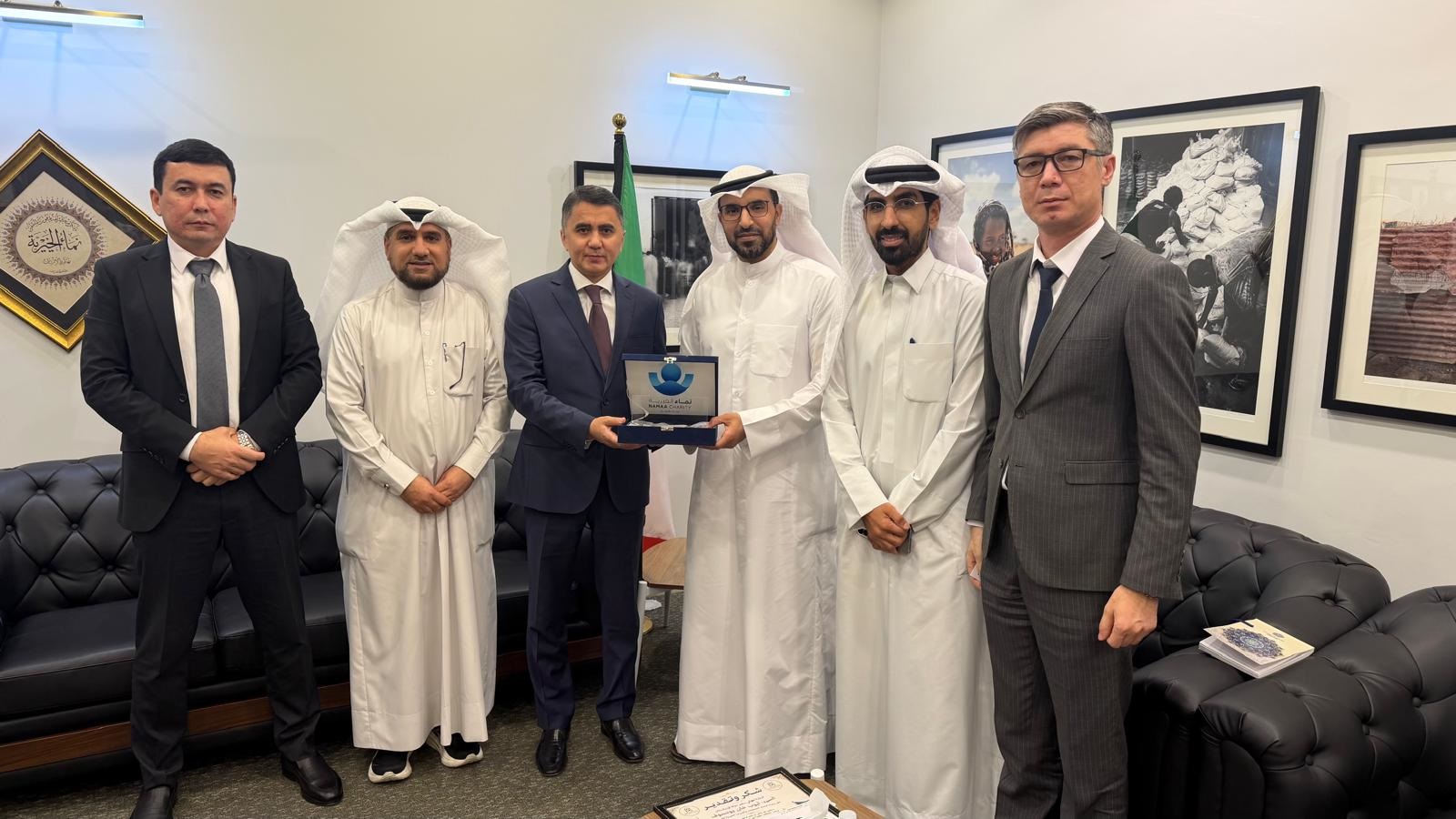
Al-Ibrahim noted that the partnership with the General Secretariat of Endowments is a fundamental pillar of our work. It has supported many vital projects, such as the University Student Project, which supports students unable to complete their studies; the "Teach Me and I Will Reward You" project, which aims to spread education and eradicate illiteracy in poor communities; and seasonal projects, such as Iftar, Eid al-Adha, and Zakat al-Fitr, which we reach thousands of needy people with annually. These partnerships enhance the sustainability of charitable work and enable us to expand the scope of projects and reach the largest number of beneficiaries. Al-Ibrahim addressed donors during the last ten days of Ramadan, emphasizing that these are the days of freedom from Hellfire and a golden opportunity to double your reward. He reminded everyone of the hadith of the Prophet (peace and blessings be upon him): "The best charity is charity in Ramadan." Every small donation could save a life and bring joy to a family in need. Seize the opportunity and be a source of goodness, for the reward of giving in Ramadan is greater and more lasting!
7 Projects
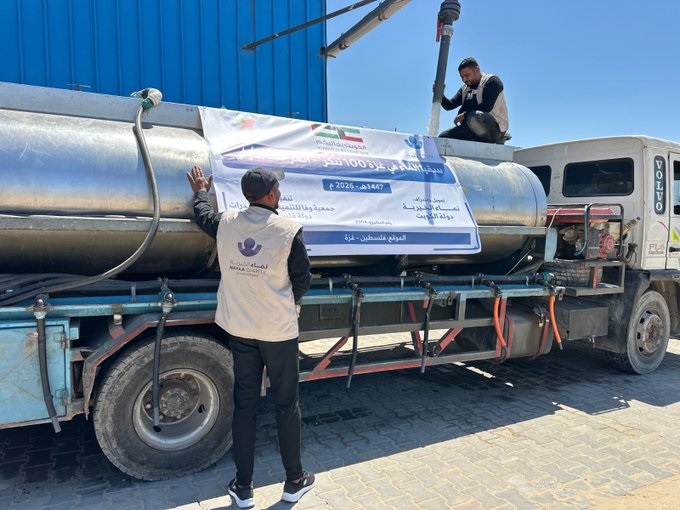
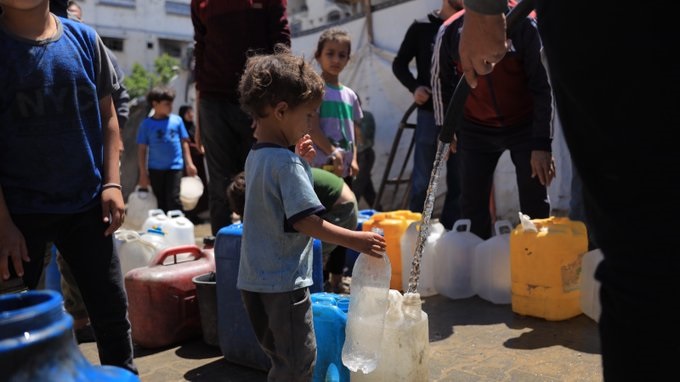
1 - "7 in Gaza": This is a unique project encompassing seven relief areas to support our people in Gaza. It includes food and health parcels, water supply, orphan care, clothing and shoes, tents and blankets for the displaced, vegetable parcels for needy families, and support for hospitals and health centers.
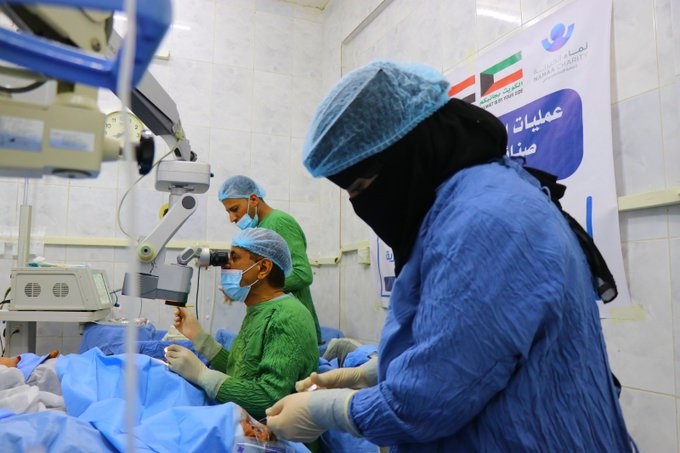
2- Eye Surgery: We are working to provide cataract surgery for the most needy, giving them a chance to see again.
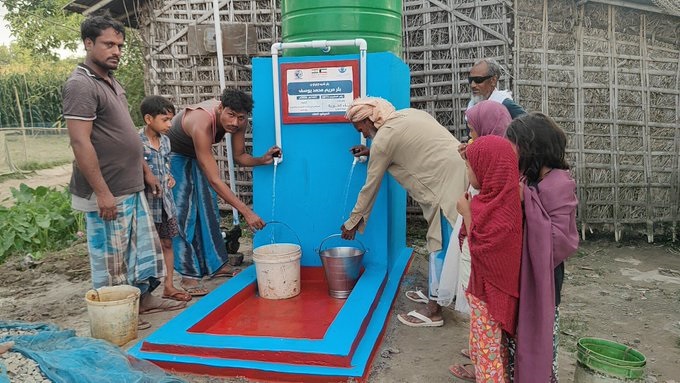
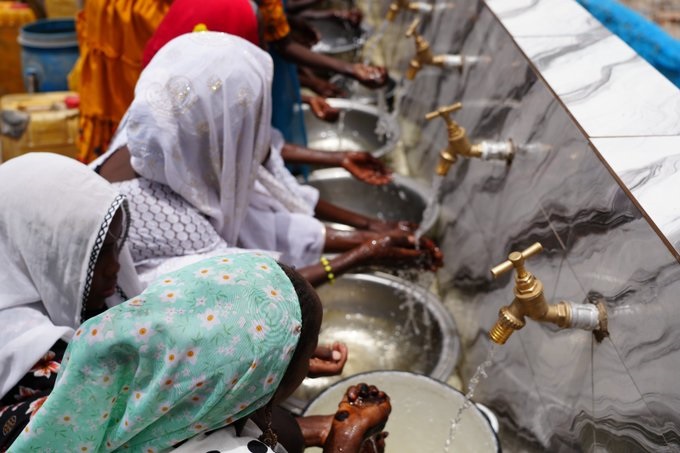
3- Well Drilling Projects: To provide potable water in areas suffering from drought and water shortages, such as Africa and Asia. 4- Eid Clothing and Zakat al-Fitr: To ensure that everyone celebrates Eid with joy and happiness, through the distribution of new clothing and support for poor families.
5- Gaza Charity Bakery: A project that provides daily bread to families suffering from food shortages due to the blockade and aggression.
6- The Brotherhood Project: A project that aims to support families and orphans, ensuring their continued dignified lives and meeting their basic needs.
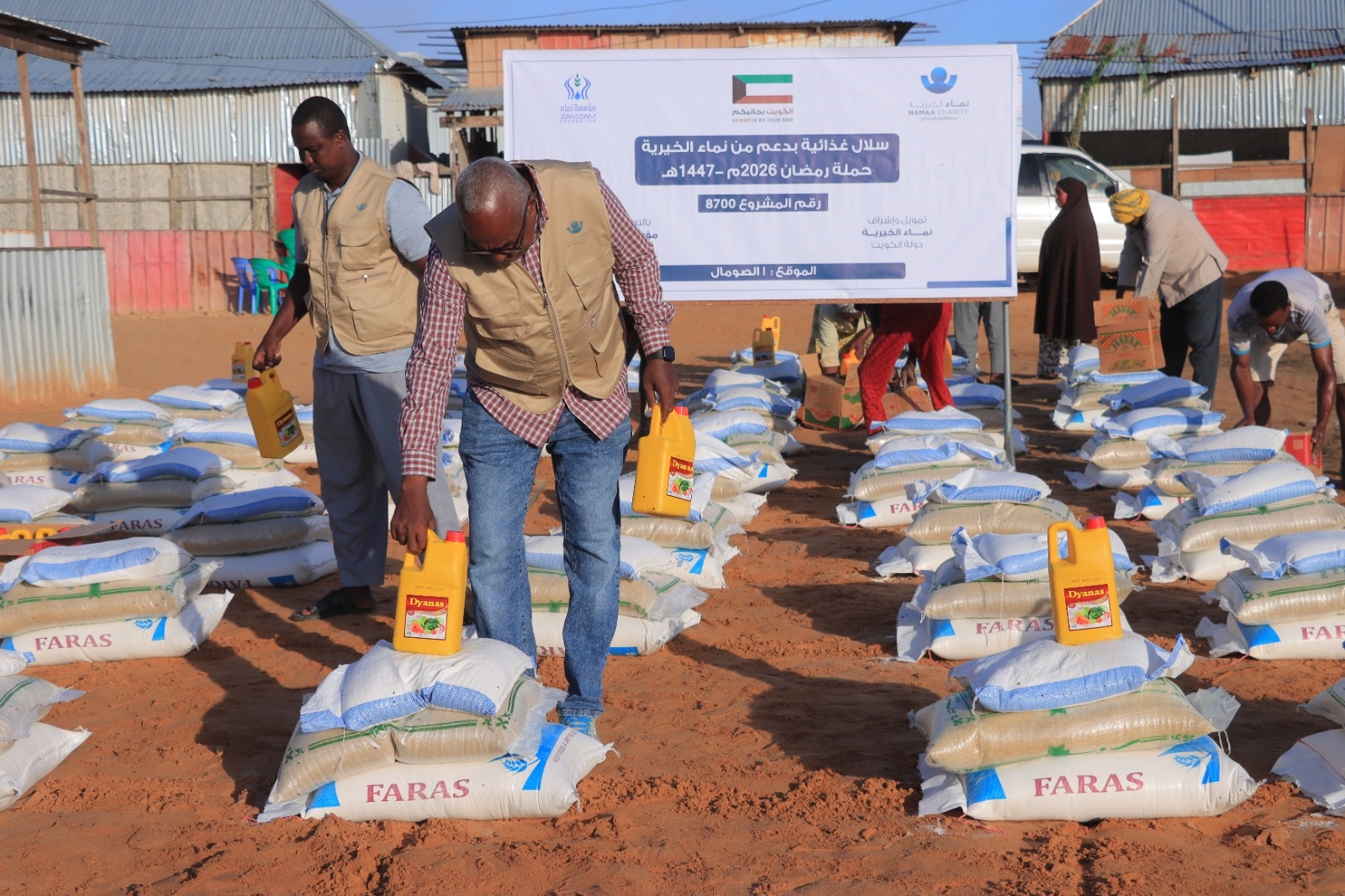
7- Supporting the most affected countries: such as Sudan, Yemen, Syria, and Somalia, where we provide food, health, and shelter assistance.
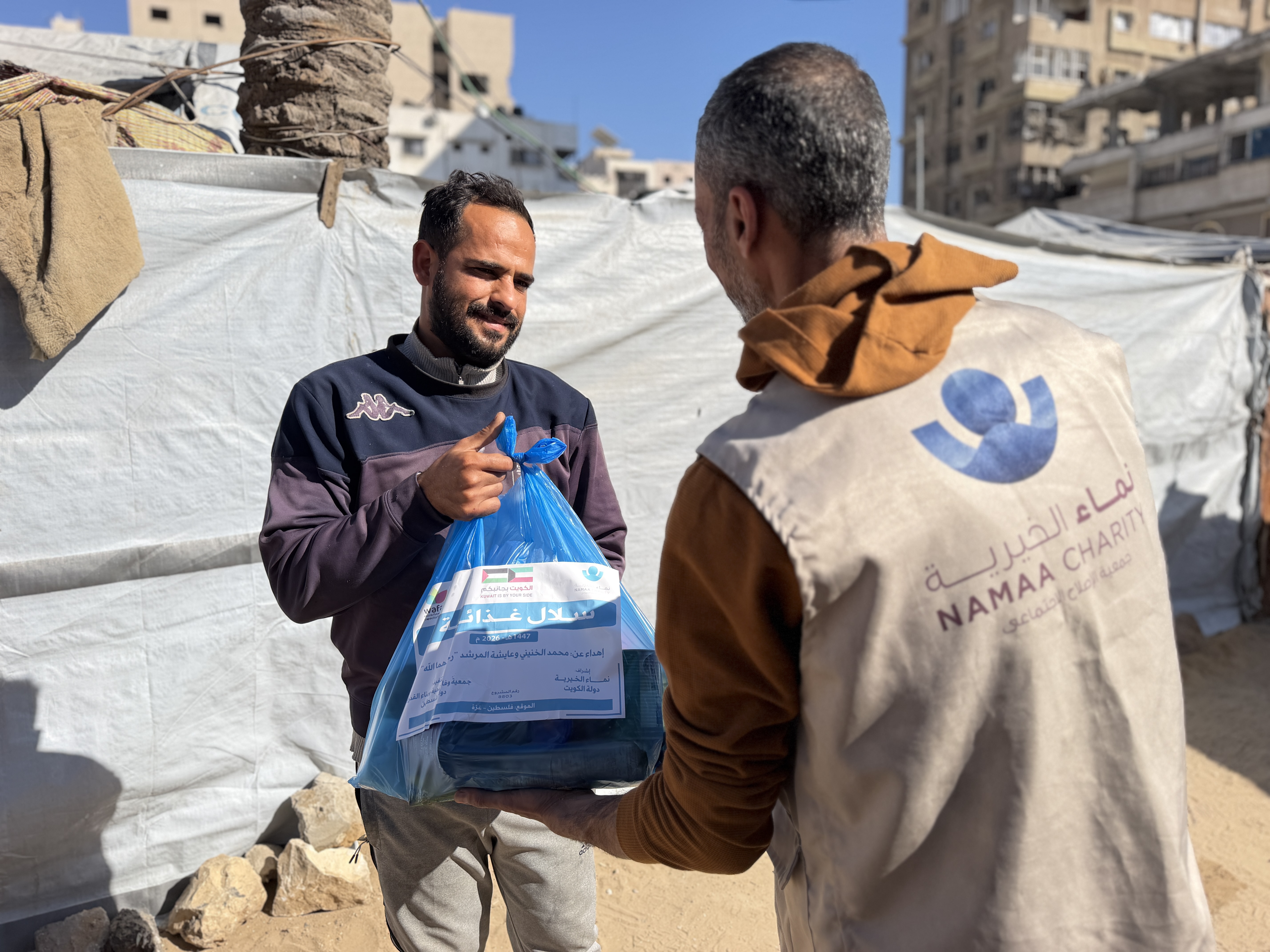
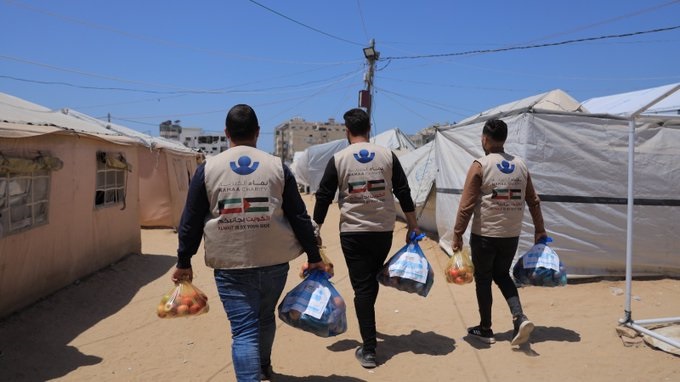
Namaa Charity continues to support Gaza residents by distributing food baskets, benefiting 1,000 people.
More info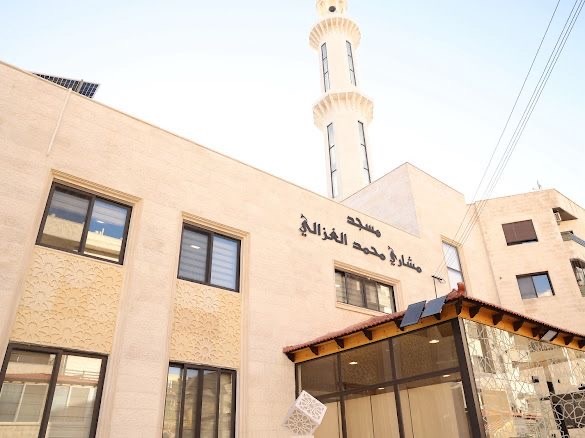
With Kuwaiti support and under the supervision of Namaa Charity, the "Mishari Al-Ghazali" Mosque was inaugurated in Jordan.
More info