 Login
Login Zakat Calculator
 KD
KD

News
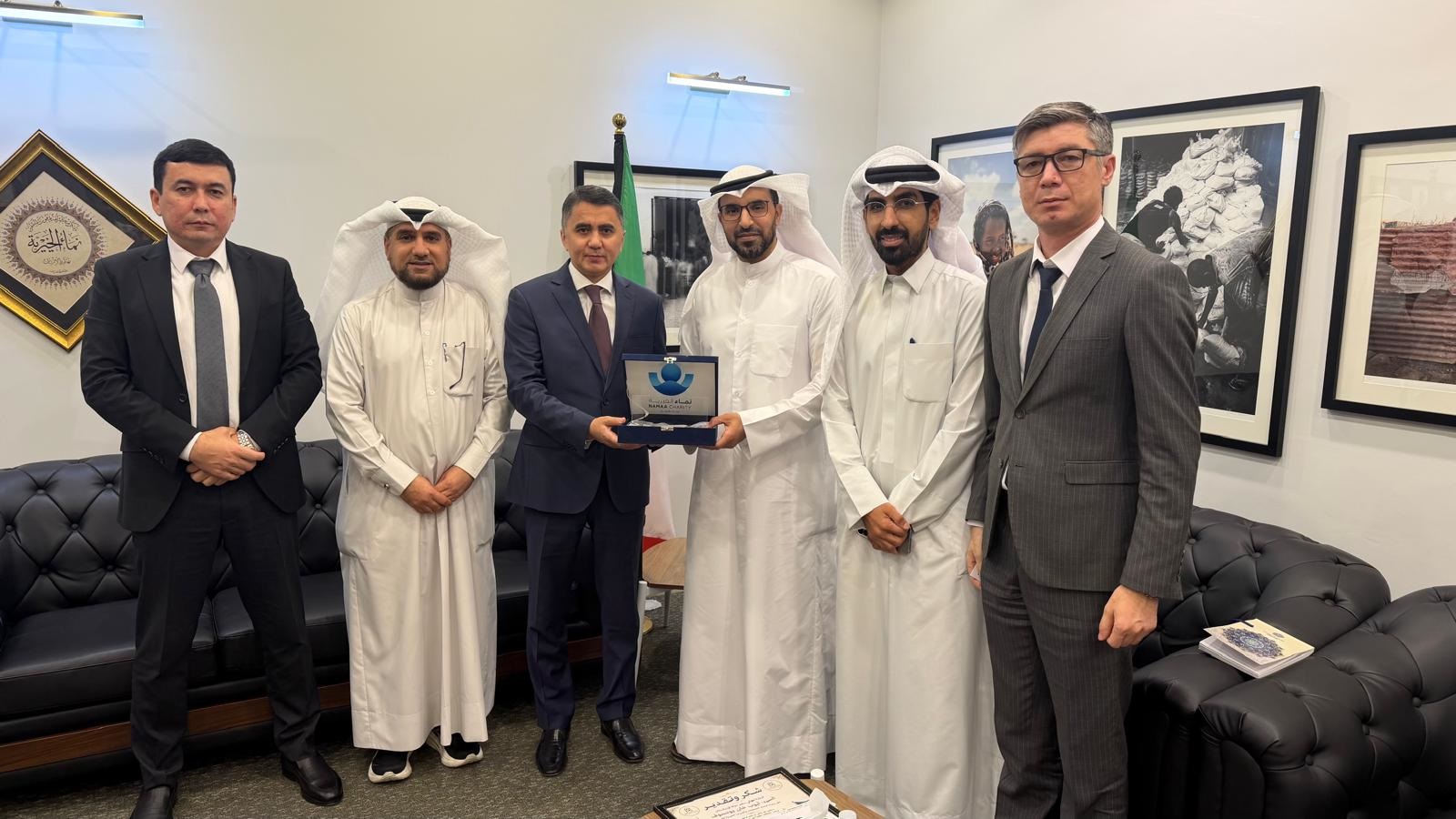
The National Human Rights Bureau signs a memorandum of understanding with Namaa Charity
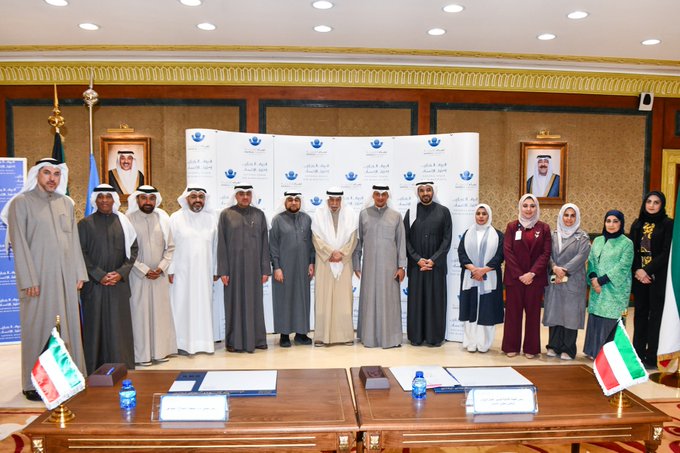
The National Human Rights Bureau signed a memorandum of understanding (MoU) with Namaa Charity on Thursday to enhance cooperation in serving social welfare groups and working to consolidate human rights principles, in addition to developing reform, rehabilitation, and community empowerment programs.
Khaled Al-Armali, a member of the committee representing the head of the National Human Rights Bureau's tripartite steering committee, told the Kuwait News Agency (KUNA) during the signing that the MoU reflects the firm belief in the importance of integrating the roles of the National Human Rights Bureau and civil society organizations.
Al-Armali emphasized that the MoU establishes a structured institutional framework for cooperation in human rights, social, and humanitarian fields, based on the principles of good governance, the exchange of expertise, and enhancing the efficiency of service delivery to vulnerable groups.
He added that this cooperation aligns with the Bureau's role in strengthening national partnerships and improving care and empowerment environments from a comprehensive human rights and development perspective. He stressed the importance of promoting and protecting fundamental rights and ensuring that the groups concerned enjoy their rights to care, dignity, and empowerment in accordance with national standards and international references, and in line with the international human rights conventions ratified by the State of Kuwait. He explained that the adopted rights-based approach is based on a shift from the traditional concept of care to an empowerment-based approach that safeguards rights, making individuals active partners in the development process, not merely recipients. He pointed out that the integration between the National Human Rights Office and civil society organizations is a fundamental pillar in establishing a national environment that supports human rights, based on cooperation, transparency, equality, and joint action to protect individuals and preserve their dignity.
He stated that the Office intends to launch humanitarian, social, and human rights initiatives that enhance the protection of vulnerable groups and improve care environments according to a comprehensive humanitarian perspective that prioritizes human dignity. He emphasized that this step represents the beginning of a long-term and sustainable strategic cooperation that strengthens the unification of national efforts in serving humanity and preserving human dignity.
For his part, Dr. Khaled Al-Mathkour, Chairman of the Social Reform Society and representative of Namaa Charity, told KUNA that the memorandum represents a strategic step to strengthen national partnerships aimed at building a cohesive society based on justice and solidarity. He affirmed the Society's commitment to protecting human dignity and translating the principles of rights and equality into practical programs that serve the beneficiaries. He added that the memorandum provides a structured framework for expanding reform and rehabilitation programs for inmates in prisons and juvenile detention centers, victims of domestic violence, and those with behavioral problems. He explained that the association will work on developing initiatives that combine psychological and social support, vocational rehabilitation, and human rights awareness to enhance community security.
He emphasized that joint work between state institutions and civil society is the best way to create a sustainable impact that consolidates stability and preserves human dignity. He highlighted the importance of integrated work to build a more secure and stable society that upholds human dignity and protects human rights.
For his part, Saad Al-Otaibi, CEO of Namaa Charity, told KUNA that the memorandum represents a qualitative leap in the development work process and translates Namaa's vision of creating a sustainable humanitarian impact. He affirmed that charitable work is based on empowering and rehabilitating individuals and opening new opportunities for them.
He explained that (Namaa) will work on preparing joint programs that take into account the needs of the targeted groups and are consistent with the legal frameworks in a way that contributes to consolidating social justice and promoting a culture of rights and responsibility, noting that localizing charitable work within Kuwait represents a priority in supporting the most needy groups and promoting social stability.
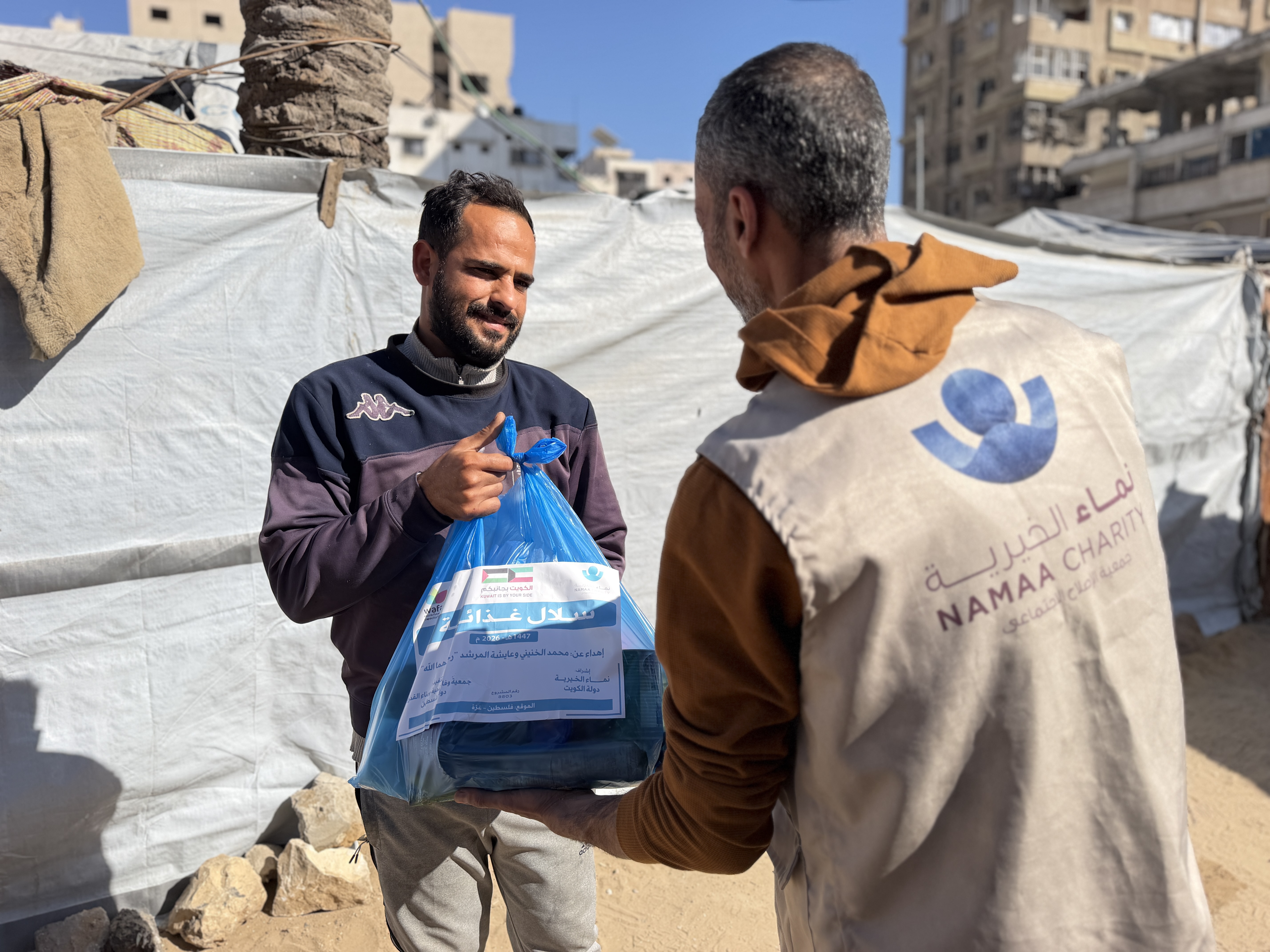
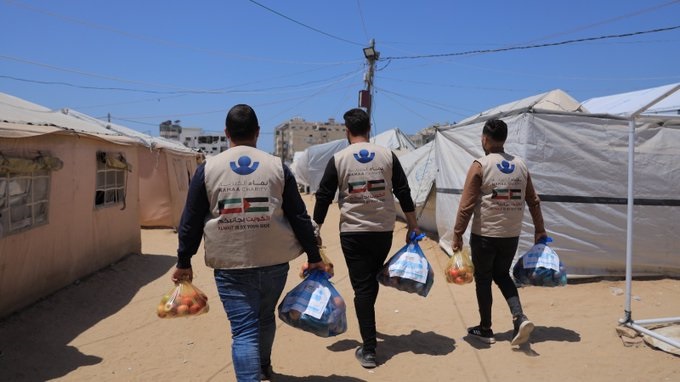
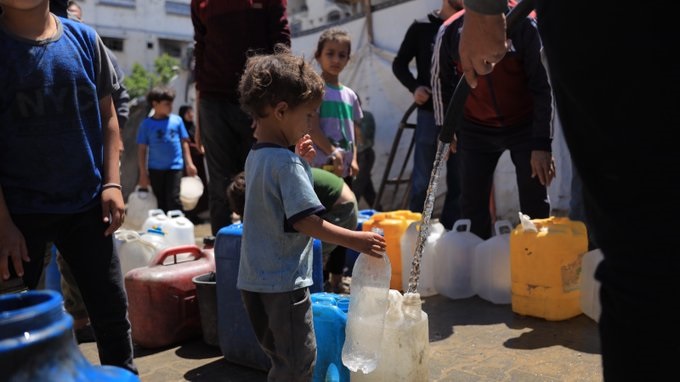
Namaa Charity continues to support Gaza residents by distributing food baskets, benefiting 1,000 people.
More info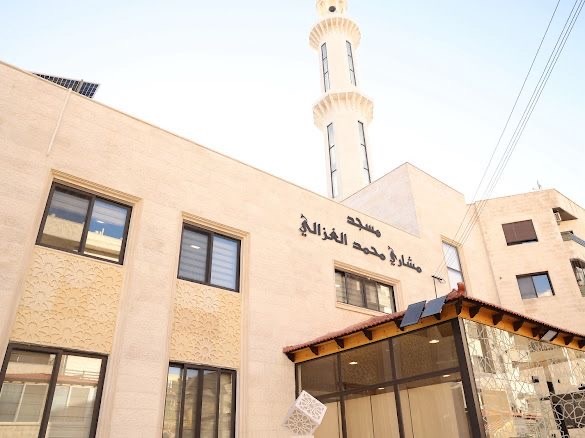
With Kuwaiti support and under the supervision of Namaa Charity, the "Mishari Al-Ghazali" Mosque was inaugurated in Jordan.
More info