 Login
Login Zakat Calculator
 KD
KD

News
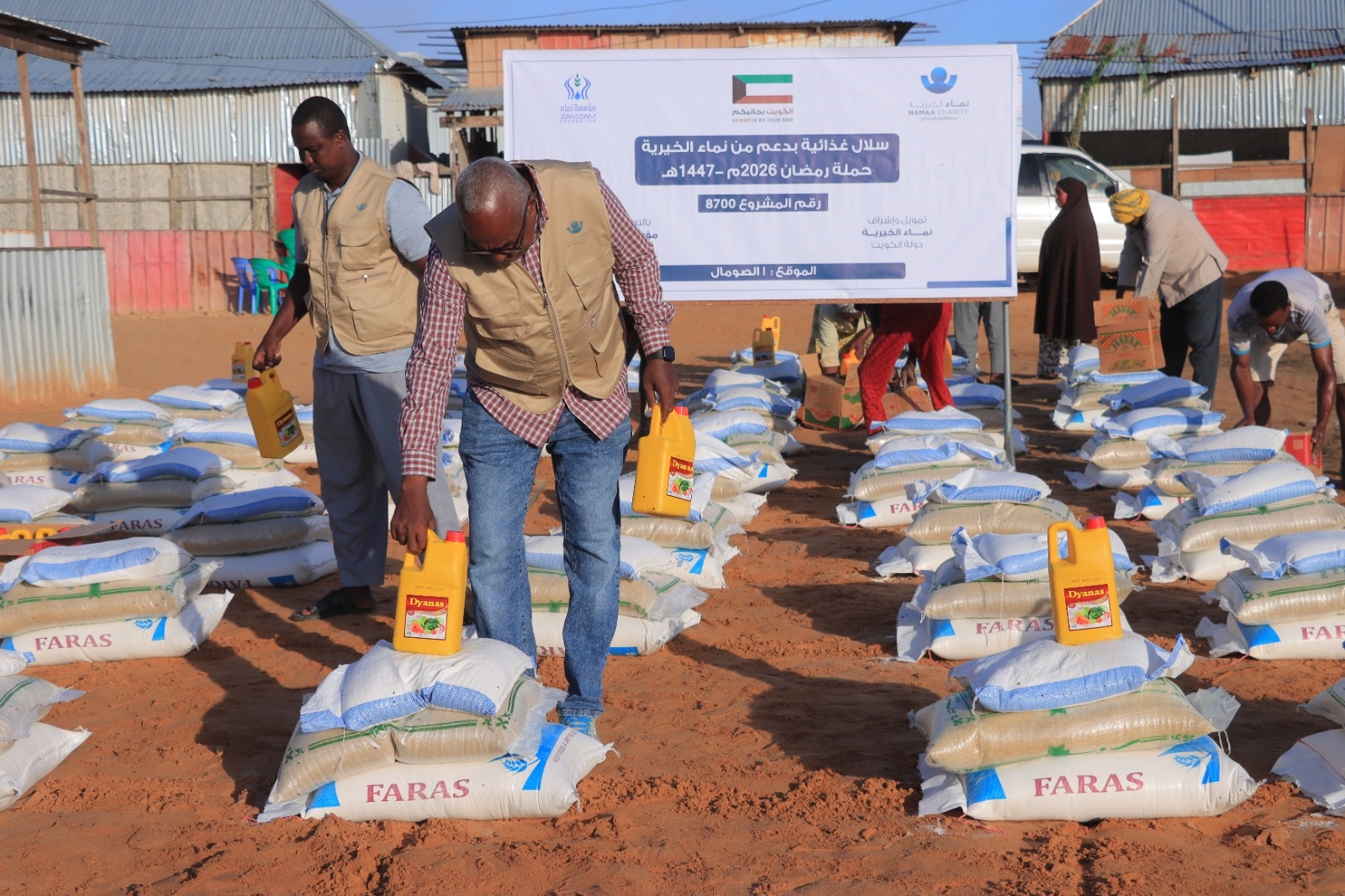
Namaa Charity distributes food baskets, cows, and livestock in Chad
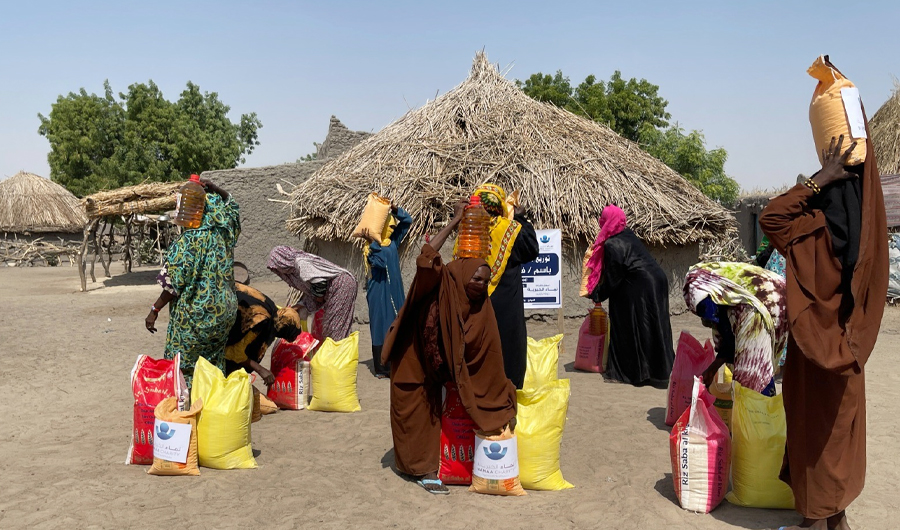
The Kuwaiti charity Namaa Charity implemented a comprehensive relief and development project in the Hadjer Lamis region of Chad. The project included the distribution of food baskets and a number of cows as part of income-generating projects, in addition to the distribution of sacrificial animals. The aim was to meet urgent living needs and enhance sustainable livelihoods for beneficiary families.
Abdulaziz Al-Kandari, Deputy CEO of Namaa Charity, stated that these projects are a response to a genuine humanitarian need faced by families in the village of Al-Badi’ah. Many families there suffer from food insecurity and limited income sources, making relief intervention and balanced development an urgent necessity.
He added that the charity was keen to combine immediate relief through food baskets and sacrificial animals with income-generating projects by providing cows. This ensures families have a sustainable source of income that contributes to improving their standard of living and preserving their dignity.
Al-Kandari explained that the targeted areas suffer from resource scarcity, high poverty rates, and difficulty accessing sufficient food. He emphasized that these interventions aim to alleviate the daily burdens on families, particularly widows, the elderly, and female-headed households.
He affirmed that the projects were implemented in cooperation with local institutions officially accredited by the Kuwaiti Ministry of Foreign Affairs. This ensures the integrity of the procedures, the reliability of the partners, and the delivery of aid to those who deserve it, in accordance with established legal and humanitarian frameworks.
Al-Kandari noted that Namaa Charity adopts a professional approach in implementing its projects. This approach involves conducting a comprehensive field survey before implementation, studying the economic and social conditions of families, and directing support to those most in need according to clear criteria. He emphasized that this approach reflects the organization's commitment to good governance, sound management of donations, and achieving a sustainable humanitarian impact that goes beyond temporary assistance.
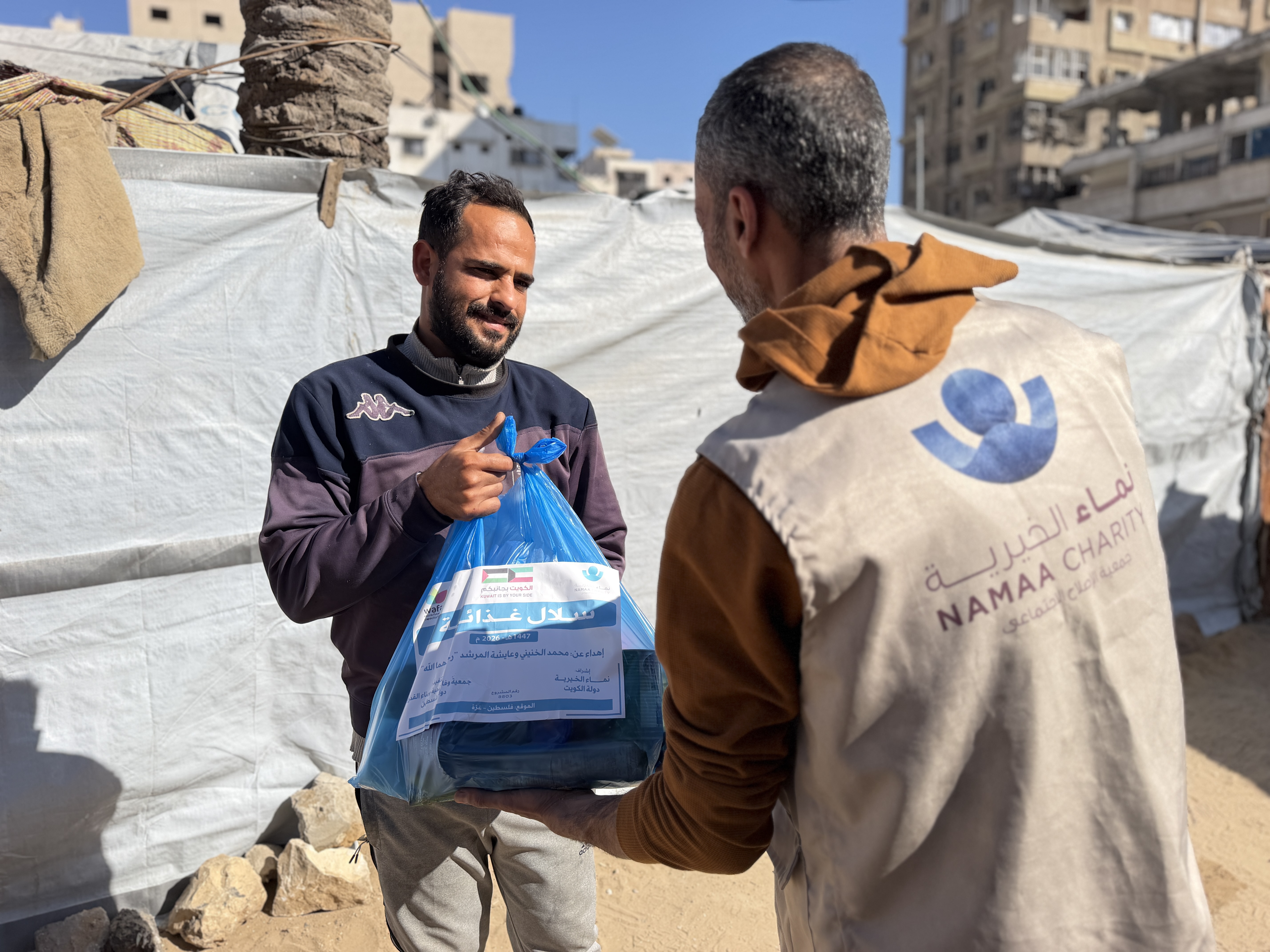
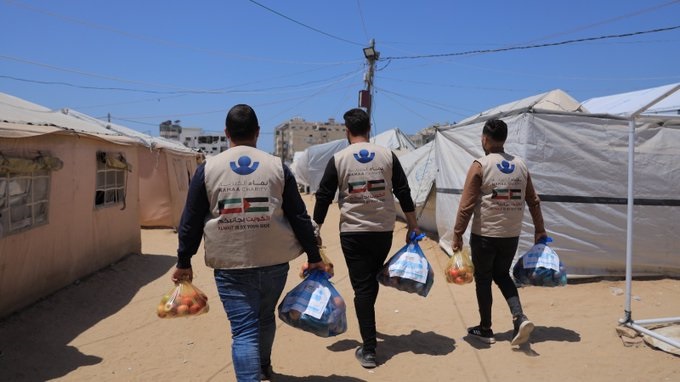
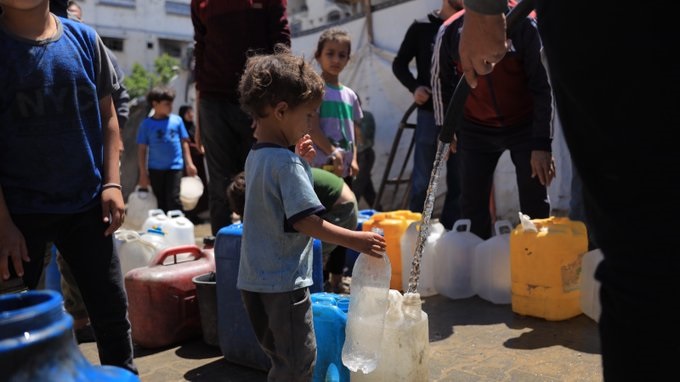
Namaa Charity continues to support Gaza residents by distributing food baskets, benefiting 1,000 people.
More info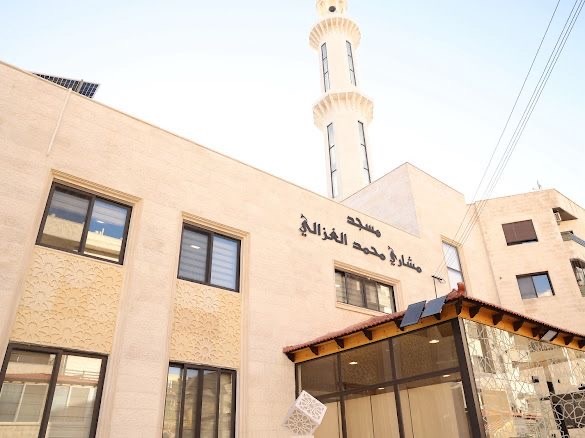
With Kuwaiti support and under the supervision of Namaa Charity, the "Mishari Al-Ghazali" Mosque was inaugurated in Jordan.
More info